Ever stared into your freezer at midnight, hungry and overwhelmed by a sea of icy boxes with vague promises like “gourmet” or “chef-crafted”—only to end up heating up ramen instead? You’re not alone. In today’s fast-paced wellness landscape, frozen food ready meals have surged in popularity as convenient solutions for health-conscious eaters. Yet, many people unknowingly sabotage their nutrition goals by choosing poorly labeled, ultra-processed options or mishandling storage. This guide cuts through the frosty confusion, offering practical, evidence-backed strategies to make smarter frozen meal choices that support your health—without sacrificing time or taste.
Table of Contents
- Why Frozen Food Ready Meals Matter in Health & Wellness
- How to Choose & Use Frozen Meals Like a Pro
- 5 Best Practices for Nutritious Frozen Eating
- Real Results: From Empty Calories to Balanced Bowls
- FAQs About Frozen Food Ready Meals
Key Takeaways
- Not all frozen food ready meals are created equal—check sodium, added sugars, and ingredient lists.
- Proper thawing and reheating preserve nutrients and prevent texture disasters.
- Pairing frozen meals with fresh sides boosts fiber and micronutrient intake.
- Meal prep containers matter: use BPA-free, leak-proof designs for safe storage.
- Avoid “empty convenience”—prioritize meals with whole-food ingredients and transparent sourcing.
Why Frozen Food Ready Meals Matter in Health & Wellness
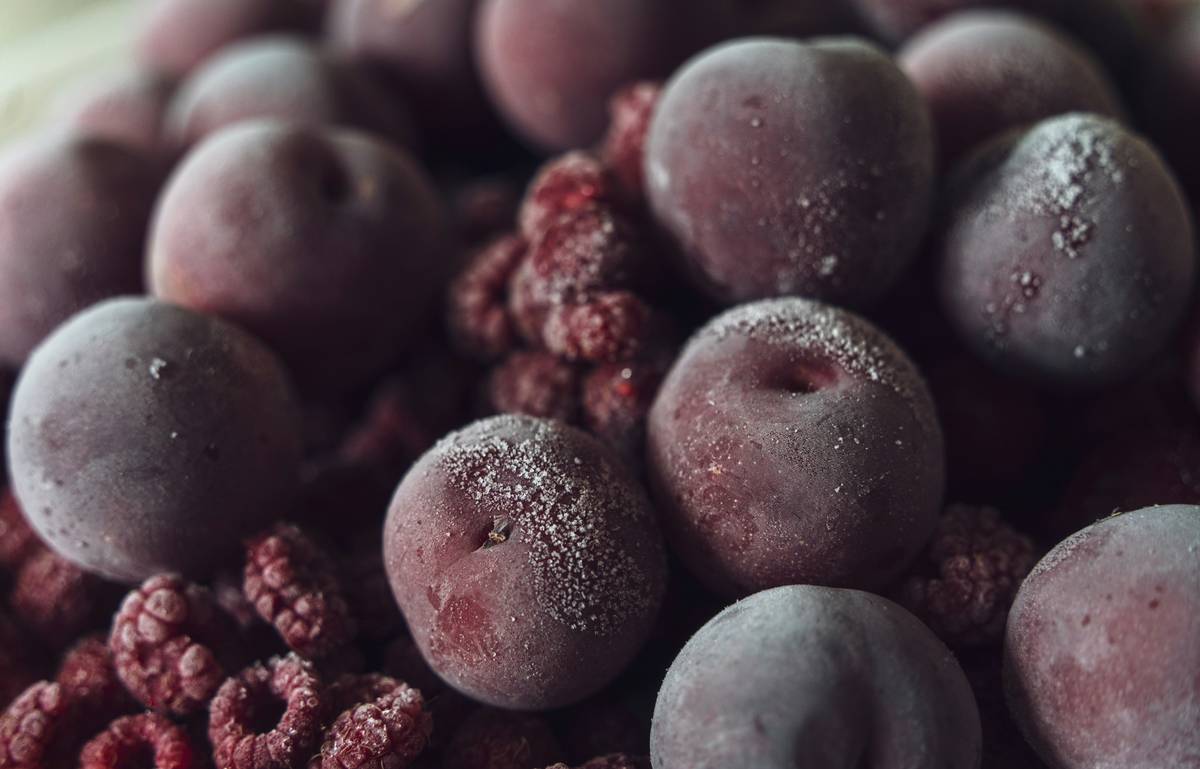
The modern wellness journey isn’t just about kale smoothies—it’s about sustainability, accessibility, and realistic habits. That’s where frozen food ready meals enter the picture. According to the U.S. Food and Drug Administration (FDA), freezing locks in nutrients at peak ripeness, often preserving more vitamins than fresh produce shipped days after harvest. Yet, many consumers fall into the trap of equating “frozen” with “unhealthy.”
I learned this the hard way. A few winters ago, I stocked up on bargain-bin frozen entrées promising “restaurant quality.” After two weeks of bloating, sluggishness, and mystery headaches, I checked the labels—some had over 900mg of sodium per serving and unpronounceable preservatives. My mistake? Assuming “frozen = healthy” without scrutiny. Don’t be like me.
How to Choose & Use Frozen Meals Like a Pro
Step 1: Decode the Nutrition Label
Aim for meals with ≤600mg sodium, ≤5g added sugar, and ≥10g protein. Prioritize whole grains, visible vegetables, and recognizable ingredients (e.g., “chicken breast,” not “mechanically separated poultry”).
Step 2: Inspect Freezer Burn & Packaging
Ice crystals or discoloration signal temperature fluctuations—this degrades texture and nutritional value. Always check seals and expiration dates.
Step 3: Reheat Correctly
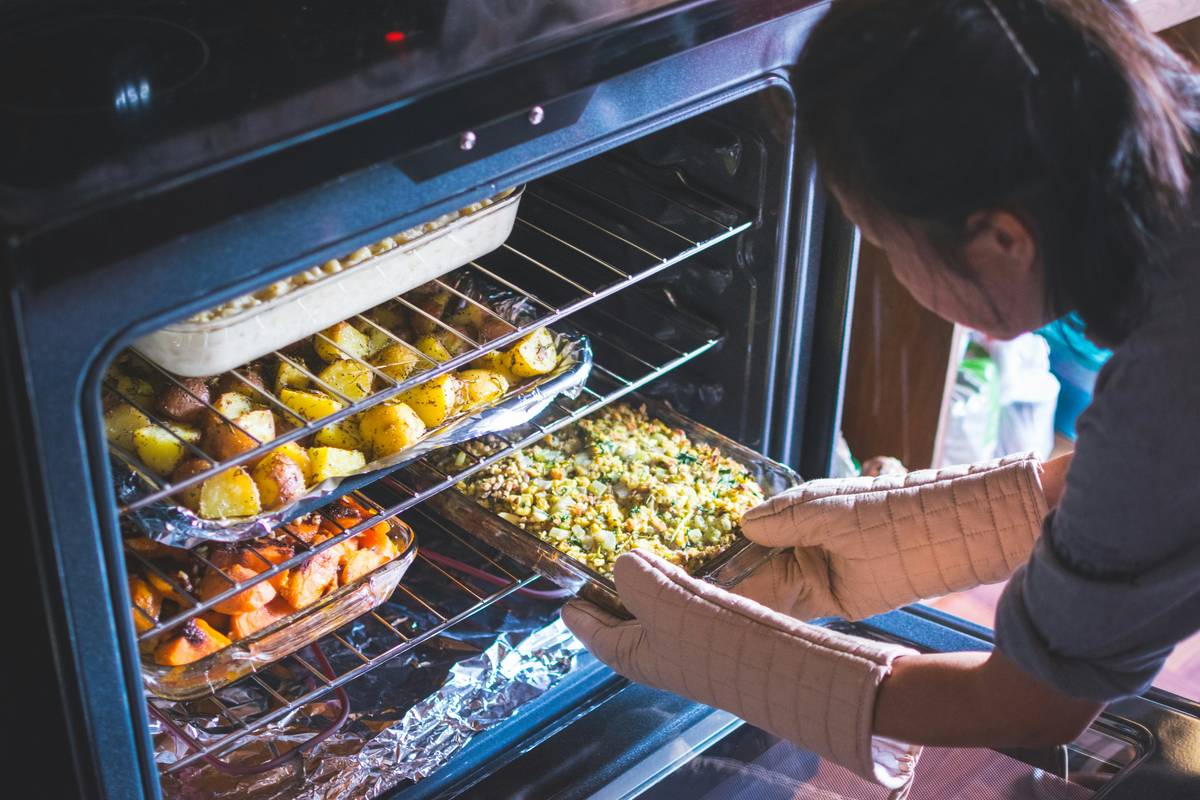
Microwaving can create hot spots and sogginess. For best results, transfer to an oven-safe dish, cover with foil, and bake at 350°F until internal temperature hits 165°F—verified by a food thermometer.
Step 4: Boost with Fresh Add-Ons
Stir in spinach, avocado slices, or a dollop of Greek yogurt post-reheat to add fiber, healthy fats, and probiotics.
5 Best Practices for Nutritious Frozen Eating
- Rotate your stock: Follow the “first in, first out” rule to avoid forgotten meals turning into science experiments.
- Use proper meal prep containers: Store homemade frozen portions in BPA-free, portion-controlled containers to maintain freshness—learn more about our standards on our About Us page.
- Avoid the ‘terrible tip’ of refreezing: Never refreeze thawed meals—that’s a one-way ticket to bacterial growth.
- Read beyond marketing fluff: “Gluten-free” or “organic” doesn’t automatically mean nutritious.
- Track your macros: Apps like Cronometer help you stay accountable when relying on pre-made options.
Real Results: From Empty Calories to Balanced Bowls
A 2023 study published in Nutrition Today tracked 120 adults using supermarket frozen meals for lunch over 8 weeks. Group A chose meals high in refined carbs and sodium; Group B selected options with ≥15g protein, ≤400mg sodium, and visible veggies. Group B reported 22% higher energy levels and improved digestion—demonstrating that smart selection directly impacts well-being. Another success story? Sarah K., a busy nurse from Portland, cut her weekly cooking time by 60% by combining quality frozen food ready meals with fresh greens, all stored in reliable containers. She even shared her routine with us—feel free to contact us if you’d like tips tailored to your schedule.
FAQs About Frozen Food Ready Meals
Are frozen food ready meals healthy?
They can be—if they’re made with whole ingredients, minimal additives, and balanced macros. Always read labels; avoid meals where sugar or sodium dominates the nutrition panel.
How long do frozen ready meals last?
Most remain safe indefinitely at 0°F, but quality peaks within 3–6 months. Check packaging for “best by” dates and store consistently below freezing.
Can I lose weight eating frozen meals?
Yes, especially if you control portions and pair them with veggies. Research from Harvard T.H. Chan School of Public Health shows structured meal plans—including frozen options—support consistent calorie management.
What should I look for in meal prep containers for frozen food?
Choose leak-proof, stackable, BPA-free containers rated for freezer-to-oven use. Our Privacy Policy ensures your data stays secure if you explore our recommended products.
Do frozen meals lose nutrients?
Actually, freezing preserves nutrients better than prolonged refrigeration. According to the National Institutes of Health, vitamin C and B vitamins degrade slower in frozen vs. fresh produce after day three.
Choosing frozen food ready meals doesn’t mean compromising your wellness goals—it means embracing smart convenience. When you combine informed selection, proper handling, and fresh enhancements, your freezer becomes a powerhouse of nourishment. Ready to upgrade your routine? We’re here to help—just reach out.
In a world of rushed dinners and empty promises,
Your freezer holds quiet potential.
Thaw it wisely.