Ever ordered a frozen prepared meal service only to discover cardboard-textured chicken and mushy veggies waiting in your freezer? You’re not alone. With convenience trumping cooking time for many health-conscious eaters, the market for frozen prepared meals has exploded—reaching over $13 billion in the U.S. alone in 2023. But not all services deliver on taste, nutrition, or value. In this guide, we’ll walk you through everything you need to know to choose—and use—a frozen prepared meal service that truly supports your wellness goals without wasting money or freezer space.
Table of Contents
- Why Frozen Meals Are More Than Just a Lazy Dinner
- How to Pick the Right Frozen Prepared Meal Service
- Best Practices for Storing and Reheating
- Real Results: What Happens When You Get It Right?
- Frequently Asked Questions
Key Takeaways
- Not all frozen prepared meal services prioritize whole ingredients or balanced macros.
- Proper storage and reheating dramatically impact texture and nutrient retention.
- Look beyond flashy marketing—check ingredient lists and sodium content.
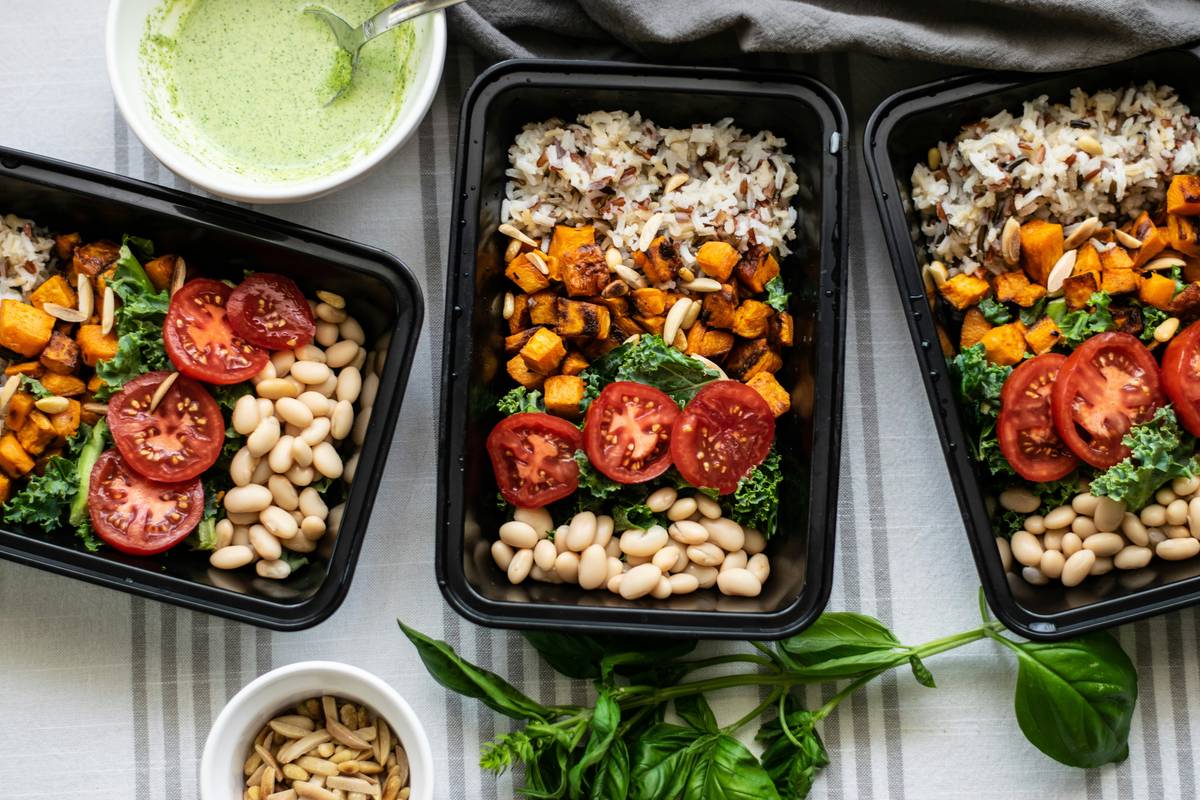
- Using meal prep containers correctly prevents cross-contamination and waste.
Why Frozen Meals Are More Than Just a Lazy Dinner
A decade ago, “frozen dinner” meant neon-orange mac and cheese buried under a film of ice crystals. Today’s top-tier frozen prepared meal service options are engineered for real nutritional balance—think grass-fed beef bowls with turmeric quinoa and roasted broccoli, flash-frozen at peak freshness. According to the U.S. Food & Drug Administration, freezing preserves nutrients remarkably well when done properly, often better than fresh produce shipped days after harvest.
But here’s where I messed up early on: I once signed up for a cheap service touting “gourmet meals,” only to find they used maltodextrin-thickened sauces and mystery meat substitutes. After two weeks, I was hungrier than before—not because I lacked calories, but because the meals lacked fiber, protein, and real satiety. That experience taught me: convenience shouldn’t cost you nutritional integrity.
How to Pick the Right Frozen Prepared Meal Service
Choosing wisely saves money, time, and your waistline. Follow this step-by-step approach:
Check the Ingredient List First
If sugar, soy protein isolate, or unpronounceable additives dominate the first five ingredients, walk away. Prioritize services using whole foods—like lentils, sweet potatoes, and olive oil—as primary components.
Evaluate Sodium Levels
The American Heart Association recommends no more than 2,300 mg of sodium per day. Many frozen meals sneak in 800–1,200 mg per serving. Compare labels and aim for under 600 mg per meal if possible.
Assess Portion Sizes and Macros
A true “meal” should contain 20–30g of protein and at least 5g of fiber. If it doesn’t, you’ll be snacking an hour later—defeating the purpose of meal planning.
Consider Packaging Sustainability
If eco-impact matters to you (and it should), look for recyclable or compostable trays. We prioritize planet-friendly practices too—learn more about our values on our About Us page.
Best Practices for Storing and Reheating
- Never refreeze thawed meals. Once defrosted, cook and consume within 24 hours to avoid bacterial growth.
- Use glass or BPA-free meal prep containers for leftovers—plastic can leach chemicals when reheated repeatedly.
- Reheat evenly. Cover with a damp paper towel in the microwave or finish in a 375°F oven for 10 minutes to restore crispness.
- Avoid the “terrible tip”: Don’t skip reading reheating instructions! Different proteins and grains require specific methods—ignoring them ruins texture and safety.
Real Results: What Happens When You Get It Right?
Sarah K., a nurse working 12-hour shifts, switched from fast food to a high-quality frozen prepared meal service focused on anti-inflammatory ingredients. After 8 weeks, her energy levels stabilized, afternoon crashes vanished, and her fasting blood glucose dropped from 110 to 92 mg/dL (within normal range). The key? She chose meals with <10g added sugar, >25g protein, and used proper meal prep containers to portion extras—keeping her on track even during chaotic rotations.
This isn’t magic—it’s smart food systems meeting real life. When your frozen prepared meal service aligns with actual nutritional science, outcomes follow.
Frequently Asked Questions
Are frozen prepared meals as nutritious as fresh?
Yes—if flash-frozen shortly after cooking. Nutrient loss is minimal compared to fresh meals stored for days.
How long do frozen prepared meals last in the freezer?
Most retain quality for 2–3 months. Always check the “best by” date and store at 0°F or below.
Can I customize my frozen prepared meal service plan?
Many premium services allow dietary filters (keto, vegan, gluten-free) and meal skipping. Review flexibility before subscribing.
Do these services work with meal prep containers?
Absolutely. Transferring meals into stackable, leak-proof containers helps organize your freezer and reduces packaging waste.
Is a frozen prepared meal service worth the cost?
At $8–$12 per meal, it’s pricier than cooking bulk—but cheaper than daily takeout. For time-crunched professionals prioritizing health, it’s a strategic investment.
What’s one thing most people get wrong?
They assume “healthy” means low-calorie. Real wellness comes from balanced macros—not calorie counting alone.
Ready to upgrade your freezer game with meals that actually fuel your body—not just fill your stomach? Contact us to explore how our curated guidance can help you navigate the world of specialty meal delivery without the guesswork.
Frozen dreams don’t have to thaw into disappointment. Choose wisely, store smartly, and let your next bite prove that convenience and care can coexist—one perfectly portioned tray at a time.