You bought another pack of chicken breasts. Again. And like last time, half turned rubbery, dry, or bland by day three. You’re not alone—most home meal preppers sabotage their chicken breast batch before it even hits the freezer. But what if you could cook once and enjoy juicy, flavorful chicken for five days straight? It’s not magic. It’s method.
Why Your Chicken Breast Batch Always Fails
Oven-roasting a whole tray seems efficient—until you pull out sawdust-textured meat on Wednesday. Boiling? Even worse. Waterlogged fibers and zero flavor. Restaurants don’t prep chicken this way, and neither should you.
The real issue isn’t your ingredients—it’s your technique. Chicken breast is lean. No fat means no buffer against overcooking. One degree too hot, ten seconds too long, and you’ve crossed into chew-toy territory.
And most “meal prep” guides ignore the critical window between cooking and freezing: resting, cooling, and packaging matter just as much as heat.
Chicken Breast Batch Done Right: A Proven Blueprint
Forget boiling. Forget baking blind. Here’s how chefs—and smart home cooks—lock in moisture and maximize versatility.
Dry-Brine Before You Cook (Not After)
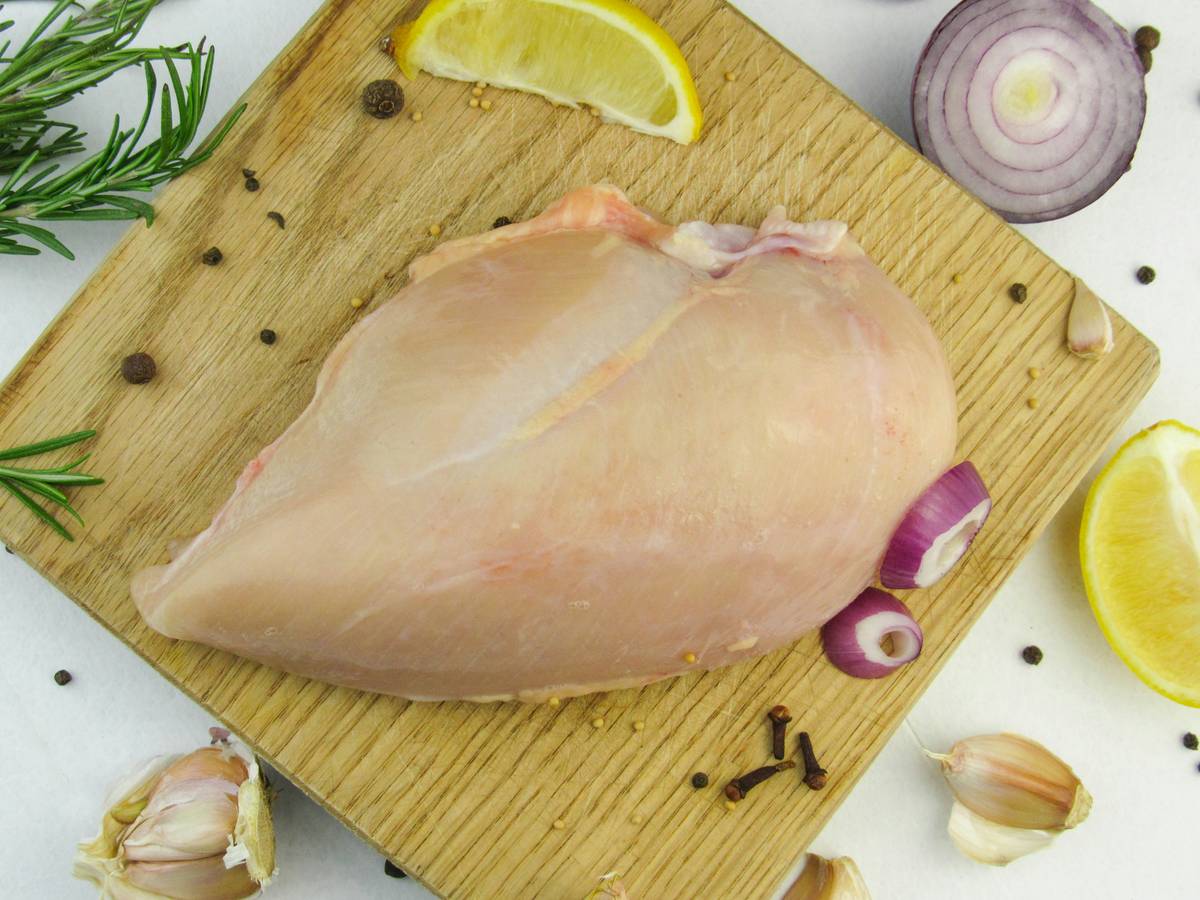
Salt your raw chicken breasts 1–24 hours ahead. Not with wet marinades—those promote steaming, not browning. A simple dry rub of salt, pepper, garlic powder, and a pinch of baking soda raises surface pH slightly, improving water retention during cooking. Yes, baking soda. It’s not weird—it’s food science.
Poach Low and Slow—Then Shock
Bring a pot of broth (or water + 1 tbsp vinegar) to 160°F (71°C)—not boiling. Gently slide in chicken. Hold at that temp for 18–22 minutes until internal hits 150°F. Remove immediately. Dunk in ice water for 60 seconds. This halts carryover cooking dead in its tracks.
Result? Tender, sliceable chicken that holds shape and juices—even after reheating.
Portion, Don’t Pile
Never freeze cooked chicken stacked in one container. Steam trapped between layers creates ice crystals that shred texture. Instead, lay individual portions on a parchment-lined sheet pan, flash-freeze for 90 minutes, then transfer to vacuum-sealed bags or airtight containers.
| Method | Time Required | Texture Outcome | Reheat Viability |
|---|---|---|---|
| Oven Roast (400°F, 25 min) | 30 min | Dry, stringy edges | Poor — dries further |
| Boil (rolling, 15 min) | 20 min | Spongy, bland | Fair — but flavorless |
| Low-Temp Poach + Shock | 35 min | Juicy, firm, sliceable | Excellent — holds up 5+ days |
The Industry Secret: Freeze Raw, Cook-to-Order
Here’s what meal kit companies won’t tell you: sometimes, the best chicken breast batch isn’t cooked at all.
Top-tier frozen meal services often flash-freeze raw, marinated chicken breasts individually. Why? Because cooked chicken degrades faster in the freezer—protein structure continues to break down even at 0°F. Raw, properly packaged chicken retains near-fresh quality for months.
Try this: portion raw breasts, coat lightly in olive oil and seasoning, vacuum-seal, and freeze flat. Thaw overnight, then cook fresh each day. You’ll get restaurant-quality results without daily effort. It sounds backward—but it’s smarter.
Frequently Asked Questions
How long does a cooked chicken breast batch last in the fridge?
Up to 4 days if cooled rapidly and stored below 40°F. Day 5 is risky—texture and safety decline fast.
Can I freeze a chicken breast batch after cooking?
Yes—but only if cooled quickly and sealed airtight. Expect slight texture loss. Best used within 2 months.
What’s the fastest way to reheat without drying it out?
Steam it. Place chicken in a covered skillet with 2 tbsp water over medium-low heat for 4–5 minutes. No microwave.