You’re tired. Not just “long day” tired—chronically exhausted from scrambling to pack lunches at 7 a.m. while your coffee’s still brewing. You skip meals, grab processed snacks, or overspend on takeout. And by Wednesday, motivation evaporates. The solution? A weekly lunch plan built around strategically chosen frozen foods—not as a last resort, but as your secret weapon for consistency, nutrition, and sanity.
Why Most “Healthy Lunch” Systems Collapse by Thursday
Cooking fresh daily sounds noble. But life isn’t Instagrammable. Between back-to-back Zooms, school pickups, and laundry avalanches, “meal prep Sunday” often becomes “panic Tuesday.” And that’s if you even get to Sunday. Most plans fail because they demand too much upfront labor, require constant fridge rotation, or ignore flavor fatigue. Eating the same grain bowl five days straight? No wonder you bail.
Frozen meals get a bad rap—but only when you buy the wrong kind. The real issue isn’t frozen food. It’s frozen food without strategy.
How to Build a Bulletproof Weekly Lunch Plan Using Frozen Foods
Forget reheating mystery lasagnas from 2019. Modern frozen meal prep is precise, nutrient-dense, and shockingly flexible—if you know how to structure it. Here’s your step-by-step system:
Step 1: Map Your Week’s Energy & Schedule
Not every day deserves the same lunch. High-focus days need clean protein + complex carbs. Low-energy days? Go lighter—broth-based, veggie-heavy. Identify your 2-3 “anchor” days where you’ll want maximum satiety and convenience.
Step 2: Choose Purpose-Built Frozen Components
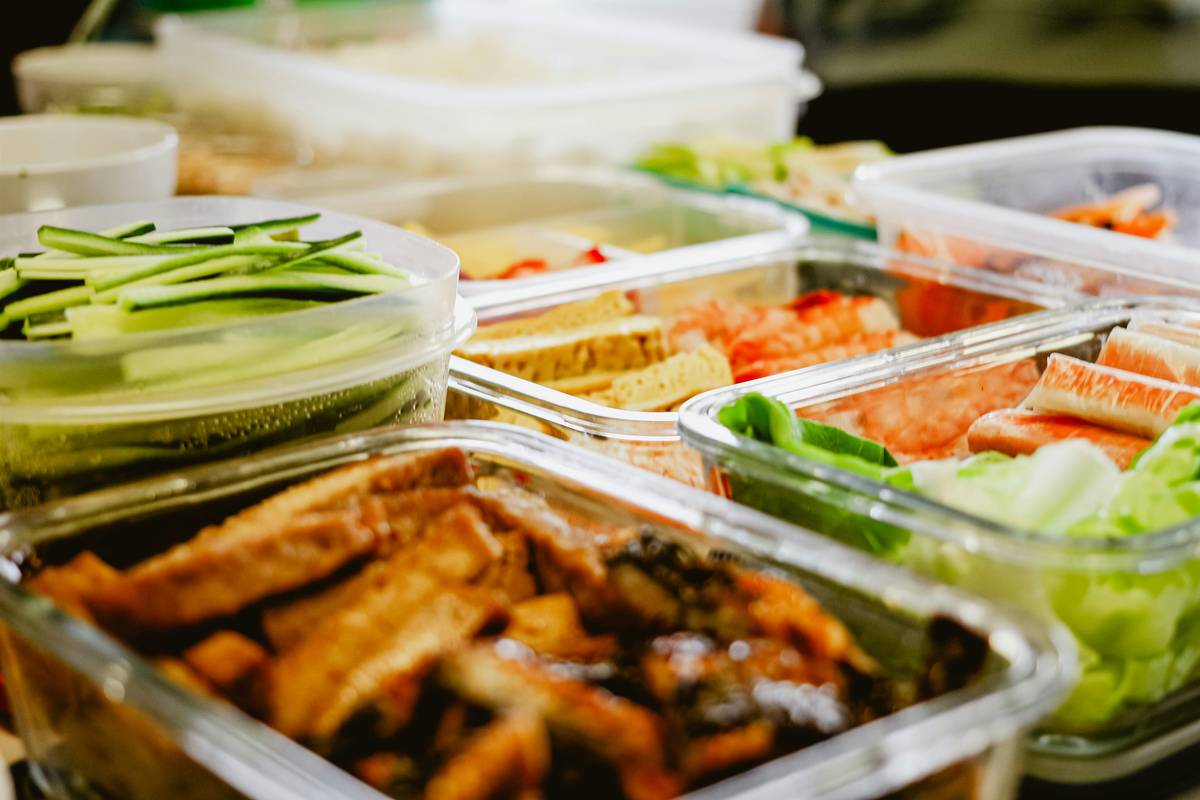
Ditch full entrees that taste like cardboard. Instead, stock up on frozen building blocks: pre-cooked lentils, roasted sweet potatoes, grilled chicken strips, or organic vegetable medleys. These let you mix-and-match without monotony.
Step 3: Assemble in Batches—But Smartly
Spend 20 minutes on Sunday thawing and combining components into labeled containers. Keep dressings separate. Add fresh greens or avocado right before eating. This hybrid approach gives you freshness without daily cooking.
Step 4: Rotate Flavors Strategically
Pick three global flavor profiles—one per mini-block of the week. Example: Monday–Wednesday = Mediterranean (lemon, oregano, olives), Thursday–Friday = Asian-inspired (ginger, tamari, sesame). Prevents palate boredom without extra effort.
| Approach | Time Spent/Week | Avg. Cost/Lunch | Nutrition Control | Burnout Risk |
|---|---|---|---|---|
| Daily Fresh Cooking | 60–90 min/day | $8–$12 | High | Extreme |
| Single-Batch Sunday Prep | 2.5 hours once | $5–$7 | Moderate | High (by Day 4) |
| Strategic Frozen Hybrid System | 20–30 min once | $4–$6 | High (with smart picks) | Low |
The Industry Secret: Not All Frozen Foods Are Created Equal—Here’s How to Spot the Good Ones
Most consumers don’t realize this: major brands flash-freeze at peak ripeness—which can lock in more nutrients than “fresh” produce shipped weeks ago. But—and this is critical—only if they skip added sugars, preservatives, and inflammatory oils. Check labels like a detective. If the ingredient list reads like a novel, walk away. Aim for ≤8 ingredients, recognizable to your grandmother. Bonus: look for meals frozen within 24 hours of harvest. That’s the gold standard—and yes, it exists outside Whole Foods’ markup zone.
And here’s something nobody talks about: frozen legumes and whole grains often have better texture post-reheat than their canned counterparts. Less mush. More integrity. Use them.
Weekly Lunch Plan FAQ
Can frozen meals really be healthy?
Yes—if you choose ones with whole-food ingredients, no added sugar, and minimal sodium. Many frozen vegetable blends retain more vitamins than “fresh” store-bought produce due to immediate freezing after harvest.
How long can I keep prepped frozen lunches?
Up to 3 months in a deep freezer (-18°C / 0°F). For best quality and texture, consume within 4–6 weeks. Label everything with dates.
Won’t everything taste bland after freezing?
Not if you freeze components separately and finish with fresh elements (herbs, citrus, crunchy toppings). Acid and crunch revive flavor instantly—add them just before eating.