You’re tired. Tired of thawing out soggy, flavorless meals that taste like freezer burn and regret. You bought into the “healthy frozen meals” promise—only to find yourself staring at mush masquerading as lentils or mystery sauce that congeals like glue. The problem isn’t your effort—it’s the system. Most frozen vegetarian meal prep fails because it ignores texture, timing, and smart layering. Good news: with the right approach, vegetarian meal prep frozen that are delicious, nutrient-dense, and genuinely convenient is not a myth.
Why Most Frozen Vegetarian Meal Prep Fails Miserably
Freezers aren’t magic preservation boxes—they’re brutal environments for delicate ingredients. Zucchini turns to sludge. Spinach weeps. Sauces split. And tofu? It becomes spongy cardboard unless treated with respect.
Most guides tell you to “just freeze leftovers.” But that’s lazy advice—and it backfires. Water expands when frozen, rupturing cell walls. When thawed, your once-crisp bell peppers leak like overripe fruit. And reheating unevenly? That’s how you end up with scorched edges and icy centers.
Here’s the reality: successful frozen meal prep isn’t about what you freeze—it’s about how you freeze it.
Vegetarian Meal Prep Frozen That Are Done Right: A Step-by-Step System
Forget one-size-fits-all freezing. Success hinges on ingredient behavior, assembly sequencing, and strategic reheating. Start with components—not complete dishes.
Build Around Freeze-Stable Bases
Grains like brown rice, quinoa, and farro hold up beautifully. Cook them slightly underdone (al dente) so they don’t turn gummy after thawing. Portion into muffin tins for single servings—freeze solid, then pop into labeled bags.
Proteins Need Pre-Treatment
Tofu? Press it hard, bake it until firm, then marinate after thawing—not before. Tempeh fares better; steam it first to deactivate enzymes that cause bitterness during storage. Lentils? Stick to dry-packed canned versions—they’re more stable than home-cooked in long freezes.
Sauces and Veggies: Separate Is Superior
Never freeze creamy sauces with high water content (looking at you, pesto with too much basil). Instead, freeze sauce bases (like tomato passata or coconut curry concentrate) and finish with fresh herbs post-thaw. Roasted veggies freeze well—but raw? Never.
| Component Type | Freeze-Friendly? | Max Freezer Life | Reheating Tip |
|---|---|---|---|
| Cooked Quinoa / Brown Rice | Yes – excellent | 3 months | Add 1 tbsp water, cover, microwave 90 sec |
| Baked Tofu Cubes | Yes – if pressed & baked | 2 months | Toss in hot pan with sauce; don’t microwave alone |
| Raw Leafy Greens | No | N/A | Always add fresh after thawing |
| Tomato-Based Sauces | Yes – strained/reduced | 4 months | Simmer 5 min on stove to re-emulsify |
| Roasted Root Vegetables | Yes | 3 months | Roast again 10 min at 400°F for crispness |
The Industry Secret: Freeze in Phases, Not Meals
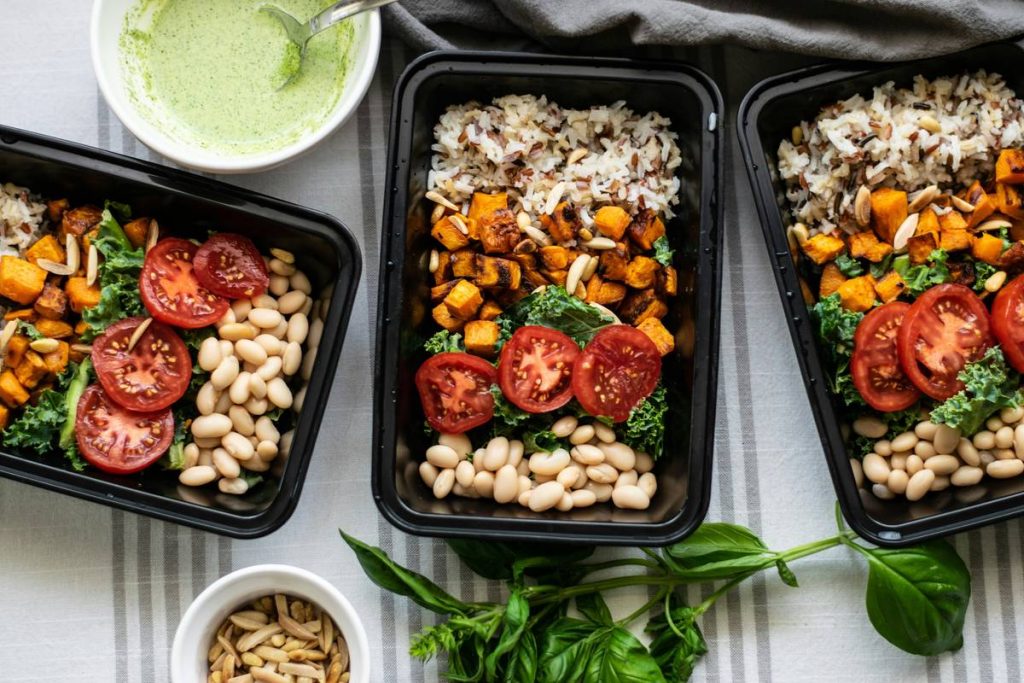
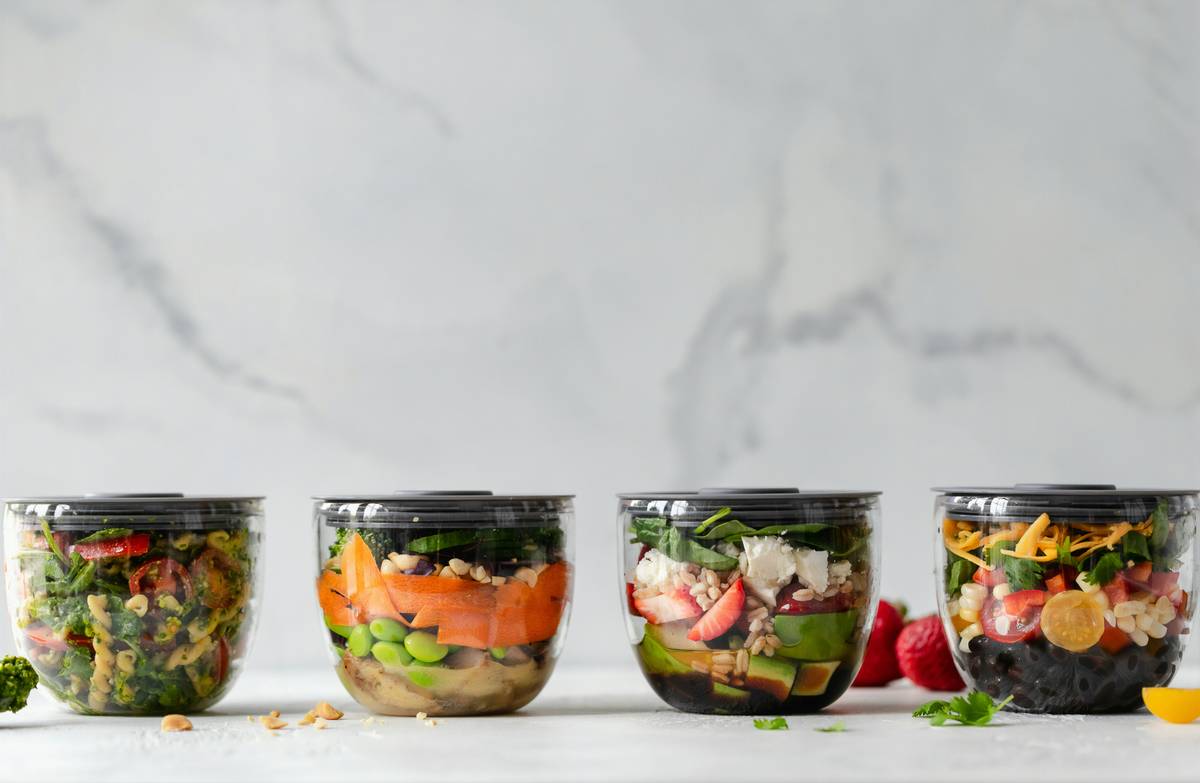
Big meal-kit companies don’t freeze finished bowls—they freeze modular components. Why? Because flexibility beats rigidity. If you freeze pre-assembled burrito bowls, you’re locked into one flavor profile for weeks. But if you freeze black beans, cilantro-lime rice, roasted sweet potatoes, and chipotle crema separately, you can remix them into tacos, salads, or grain bowls based on mood and appetite.
Better yet: this method prevents flavor bleed. No one wants turmeric-stained couscous from last week’s curry contaminating today’s Mediterranean plate. And here’s the kicker—waste drops by 40%. You only thaw what you’ll actually eat.
Think about it: your freezer becomes a pantry of possibilities, not a prison of predetermined plates.
FAQ
Can you freeze vegetarian chili with beans?
Yes—but cool it completely first. Use wide, shallow containers for faster freezing. Keeps 3–4 months. Reheat gently to avoid bean disintegration.
How do I prevent freezer burn on frozen meal prep?
Remove as much air as possible. Use vacuum sealing or the “water displacement method” with zip-top bags. Label everything with dates—rotate stock like groceries.
Are frozen vegetarian meals as healthy as fresh?
Often healthier. Flash-freezing locks in nutrients at peak ripeness. Just avoid added sugars, sodium preservatives, and cream-heavy sauces loaded with stabilizers.