You open the office fridge—again—to find your sad, soggy leftovers. Microwave beep echoes like a dinner bell for disappointment. The promise of “quick lunch” ends in lukewarm regret. But what if your frozen meal didn’t just survive reheating—it thrived? Enter thoughtfully crafted frozen meals for lunch that prioritize flavor, texture, and real ingredients over speed alone.
Why Most Frozen Lunches Fail (And Make You Crave Takeout)
Let’s be honest: the freezer aisle is full of culinary compromises. Overcooked grains. Mushy veggies. Sauces that split into oil slicks after 90 seconds on high. These failures aren’t accidents—they’re baked into mass-production economics.
Big brands optimize for shelf life, not satisfaction. They under-season to mask staleness, then drown everything in sodium or sugar to fake “flavor.” And portion control? Forget it. Either you’re starving by 3 p.m., or you’ve eaten half your daily calories by noon.
The real issue isn’t freezing—it’s formulation. Freeze-thaw cycles demand intelligent ingredient layering, moisture management, and strategic fat placement. Most skip that science entirely.
Your Step-by-Step Guide to Building Better frozen meals for lunch
Pick Your Protein Wisely
Not all plant proteins hold up equally post-freeze. Tofu turns rubbery. Beans can burst. Lentils? Goldilocks territory—they stay intact but absorb flavors beautifully. Opt for whole lentils over split, or use tempeh (steamed first) for chew.
And don’t sleep on seitan—if wrapped in parchment before freezing, it avoids that dreaded sponge texture.
Master Moisture Control
Water is your enemy. Blot roasted veggies dry before packing. Use sauces with natural thickeners like tahini, cashew cream, or pureed white beans—not cornstarch slurry that gels weirdly when chilled.
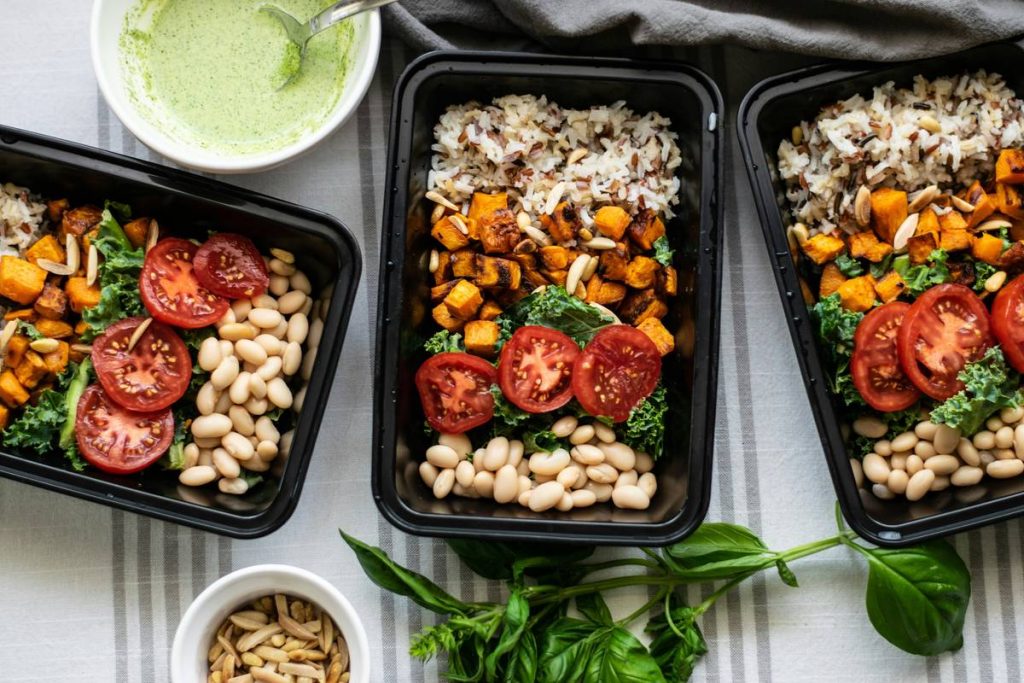
Layer components separately in your container. Sauce on bottom, grains in middle, greens or fresh herbs on top only after reheating. Trust me—it changes everything.
Freeze Smart, Not Hard
Rapid freezing = smaller ice crystals = less cell damage = better texture. Spread meals in single layers on a baking sheet first, freeze solid, then transfer to airtight containers. Label with date + contents + reheating tip (“Add splash water before microwaving”).
Avoid glass unless tempered. Thermal shock cracks more dreams than bad Wi-Fi.
| Prep Method | Cost per Meal | Shelf Life | Texture After Reheat |
|---|---|---|---|
| Homemade batch-frozen | $3.25 | 8–10 weeks | Firm grains, crisp-tender veggies* |
| Store-bought organic brand | $7.99 | 12 months | Soft, slightly gummy |
| “Gourmet” delivery service | $12.50 | 4 weeks (frozen) | Variable—often oversauced |
*When using moisture-control techniques above.
The Industry Secret No One Talks About: Sauce Separation Is Fixable
Here’s the dirty truth: most frozen vegetarian meals fail because they treat sauce as an afterthought. Big manufacturers blend everything together pre-freeze—then wonder why the emulsion collapses upon thaw.
But veteran meal-prep chefs do this instead: freeze base components (grains, roasted veg, protein) completely dry. Keep sauce in a separate ice cube tray slot. When reheating, you add one sauce cube per serving—and stir gently just before eating.
Suddenly, your curry tastes vibrant, not muddy. Your pesto retains its basil brightness. It adds 12 seconds to your routine. The payoff? A lunch that feels intentional, not incidental.
Think about it: would you mix dressing into your salad the night before? Exactly.
FAQ
Are frozen vegetarian lunches healthy?
Yes—if you control ingredients. Skip preservatives, excess sodium, and refined carbs. Focus on whole grains, legumes, and colorful vegetables. Homemade beats store-bought every time for nutrient retention.
How long do frozen meal-prepped lunches last?
Ideal window: 6–8 weeks. Flavor fades after that, even if safe. Label everything. Pro tip: freeze flat in zip-top bags—they thaw faster than rigid containers.
Can I reheat frozen meals without a microwave?
Absolutely. Thaw overnight in the fridge, then warm in a skillet with a splash of broth or water. Stir gently over medium-low heat. Bonus: stovetop reheating often yields better texture than nuking.