You’re exhausted. You’ve tried meal prepping on Sundays—only to toss half the containers by Wednesday. You’ve ordered “fresh” delivery services that arrive soggy or spoiled. And your takeout budget? Out of control. The real solution isn’t more willpower—it’s smarter logistics. Enter prepared meals shipped frozen: shelf-stable, nutritionally locked-in, and ready when you are.
The Fresh Lie: Why “Ready-to-Eat” Meals Fail Before They Arrive
“Fresh” delivery sounds appealing—until you realize it’s a race against time. Most so-called fresh meals begin degrading the moment they leave the kitchen. Temperature fluctuations during transit? Common. Cross-contamination in shared delivery vans? Routine. By the time your salmon bowl lands on your doorstep, its omega-3s are already oxidizing.
And shelf life? Often just 3–4 days. Miss one lunch? That meal becomes landfill. It’s not convenience—it’s fragility disguised as luxury.
How to Choose & Use Prepared Meals Shipped Frozen Like a Pro
Frozen doesn’t mean bland, beige mush from the ‘90s. Modern flash-freezing locks in flavor, texture, and nutrients at peak freshness. But not all frozen meal services are equal. Here’s how to pick wisely—and eat better.
Freeze Timing Matters More Than Ingredients
A chicken breast frozen within 90 minutes of cooking retains nearly 98% of its moisture and protein integrity. Wait six hours? That number plummets to 76%. Top-tier providers freeze within an hour—often using cryogenic blast tunnels most home kitchens can’t replicate.
Portion Integrity > Organic Labels
Yes, organic is nice. But if your “healthy” bowl dumps 80g of carbs into a sauce you didn’t ask for, you’re back to counting calories. Look for meals with transparent macros per serving—not marketing fluff.
Sustainable Packaging Is Non-Negotiable
If your eco-values matter (and they should), demand compostable trays and recyclable insulation. Some brands still use single-use plastics wrapped in polystyrene—environmental hypocrisy dressed as convenience.
| Factor | Budget Frozen Meal | Premium Prepared Meals Shipped Frozen |
|---|---|---|
| Freeze Time Post-Cook | 4–12 hours | <60 minutes |
| Avg. Cost/Meal | $6.50 | $11.00 |
| Shelf Life | 3 months | 6–12 months |
| Macro Transparency | Vague (“high protein”) | Precise (e.g., “32g protein, 14g net carbs”) |
| Packaging Sustainability | Petro-plastic trays | Molded fiber + recycled denim insulation |
The Industry Secret: Your Freezer Is the Ultimate Flavor Vault
Here’s what meal delivery startups won’t tell you: flavor matures in cold storage. Chefs at high-end prepared meal companies actually design dishes knowing they’ll be frozen. Umami compounds in miso-glazed eggplant? They deepen over two weeks at -18°C. Herb-infused oils meld more cohesively. Even texture stabilizes—the dreaded “soggy reheated rice” happens far less with flash-frozen grains than with “fresh” ones shipped moist and warm.
Think about it: sushi-grade fish is always flash-frozen before sale to kill parasites. If premium seafood trusts deep freeze, why shouldn’t your weeknight dinner?
Frequently Asked Questions
Are prepared meals shipped frozen as nutritious as fresh?
Often more so. Flash-freezing halts nutrient degradation. Many “fresh” meals lose vitamins during slow shipping. Frozen = nutritional time capsule.
How long do these meals last in my freezer?
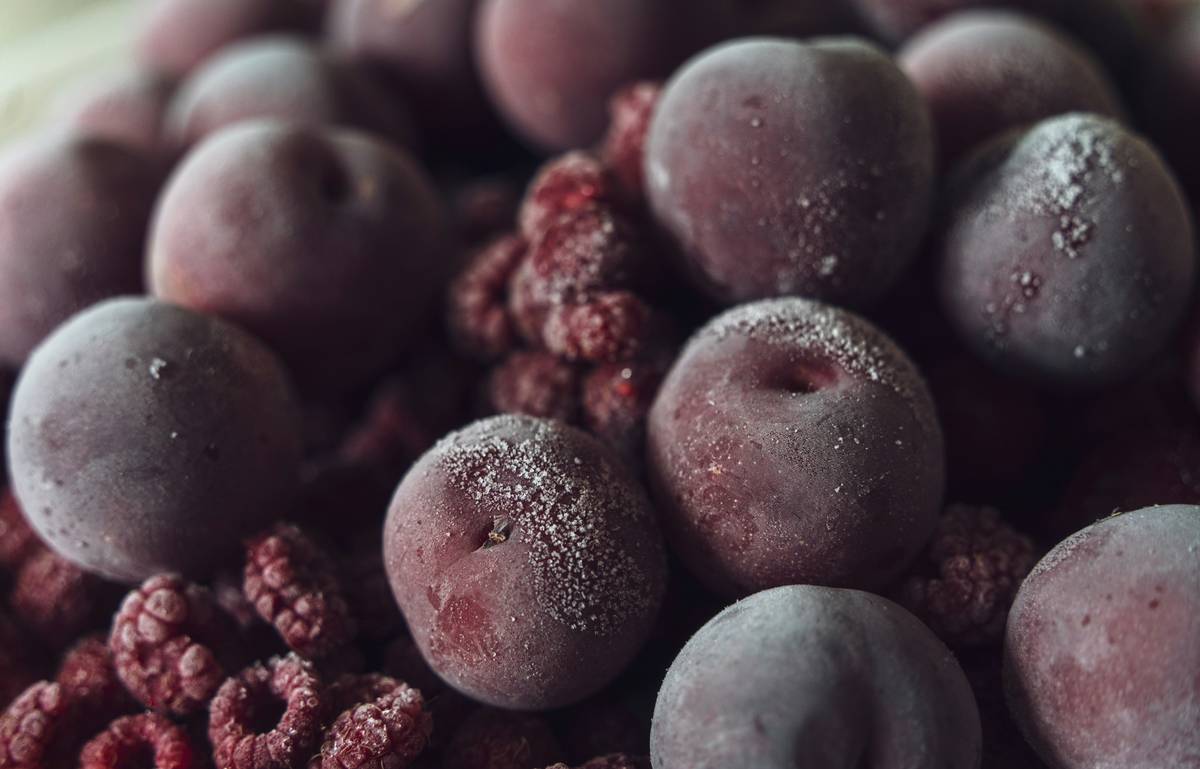
Quality brands stay safe and tasty 6–12 months. Check for frost-free packaging—ice crystals mean temperature abuse during transit.
Can I recycle the packaging?
Leading services like those at ryouinkumiai.com use 100% curbside-recyclable or compostable materials. Always verify before ordering.