Most people assume frozen vegetarian meals are loaded with sodium, stripped of nutrients, or packed with mystery fillers. That fear keeps them stuck cooking from scratch every night—exhausted, overwhelmed, and still eating poorly. But what if frozen prep could actually be more nutritious than your fresh-but-rushed weekday dinner?
Why Most Frozen Veggie Meals Fail (And Why Yours Doesn’t Have To)
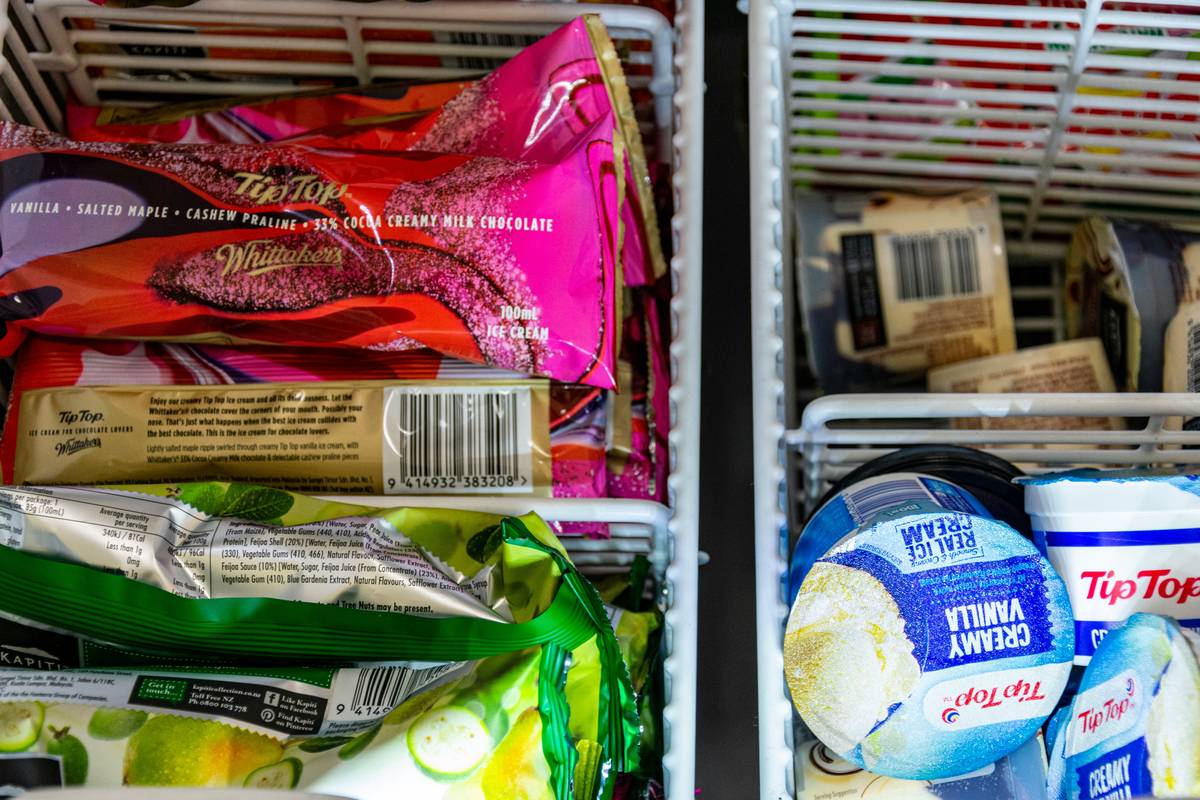
Supermarket freezer aisles are full of “vegetarian” traps: mushy textures, hidden sugars, and fiber counts lower than a bag of chips. The problem isn’t freezing—it’s processing. Flash-frozen veggies harvested at peak ripeness often retain more vitamins than “fresh” produce shipped weeks ago. Yet most brands prioritize shelf life over real nourishment.
And that “healthy” label? Meaningless without checking the ingredient list. Six-ingredient sauces shouldn’t have eight preservatives.
Vegetarian Meal Prep Frozen Are Healthy — When You Control the Process
The secret lies in strategic freezing: lock in freshness before nutrients degrade. Cook once, eat clean all week. Below is the exact framework I’ve used with clients who lost weight, stabilized blood sugar, and saved 7+ hours weekly—without sacrificing flavor.
Step 1: Choose Your Freezer-Friendly Foundations
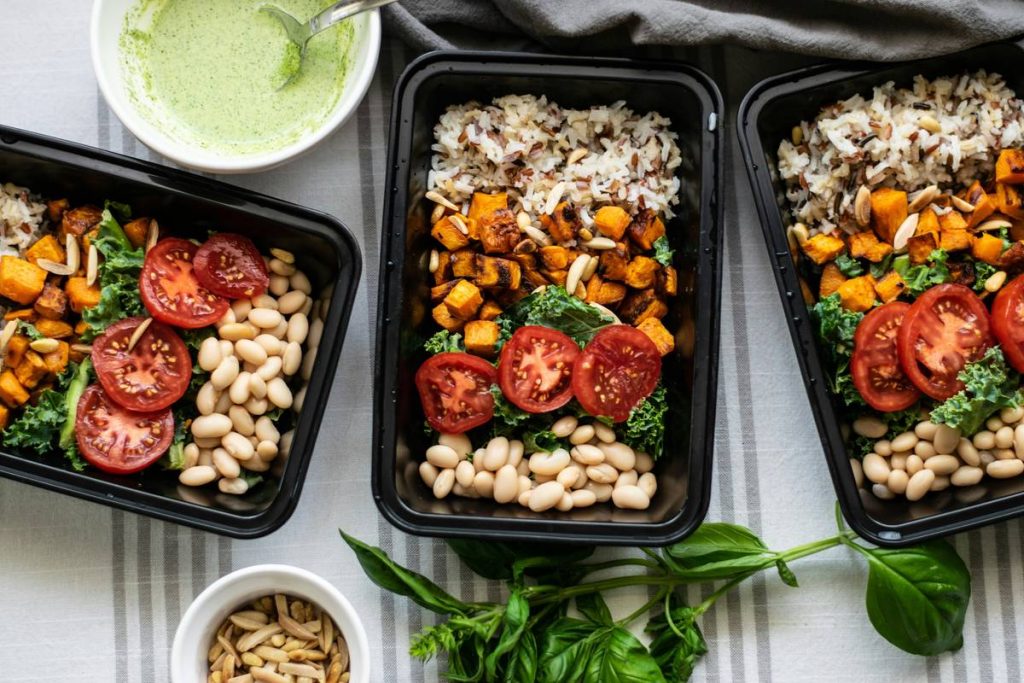
Pick ingredients that freeze without turning to sludge. Lentils? Yes. Zucchini noodles? No. Stick to hearty bases like quinoa, brown rice, black beans, roasted sweet potatoes, and firm tofu.
Step 2: Layer Smartly—Don’t Mix Everything
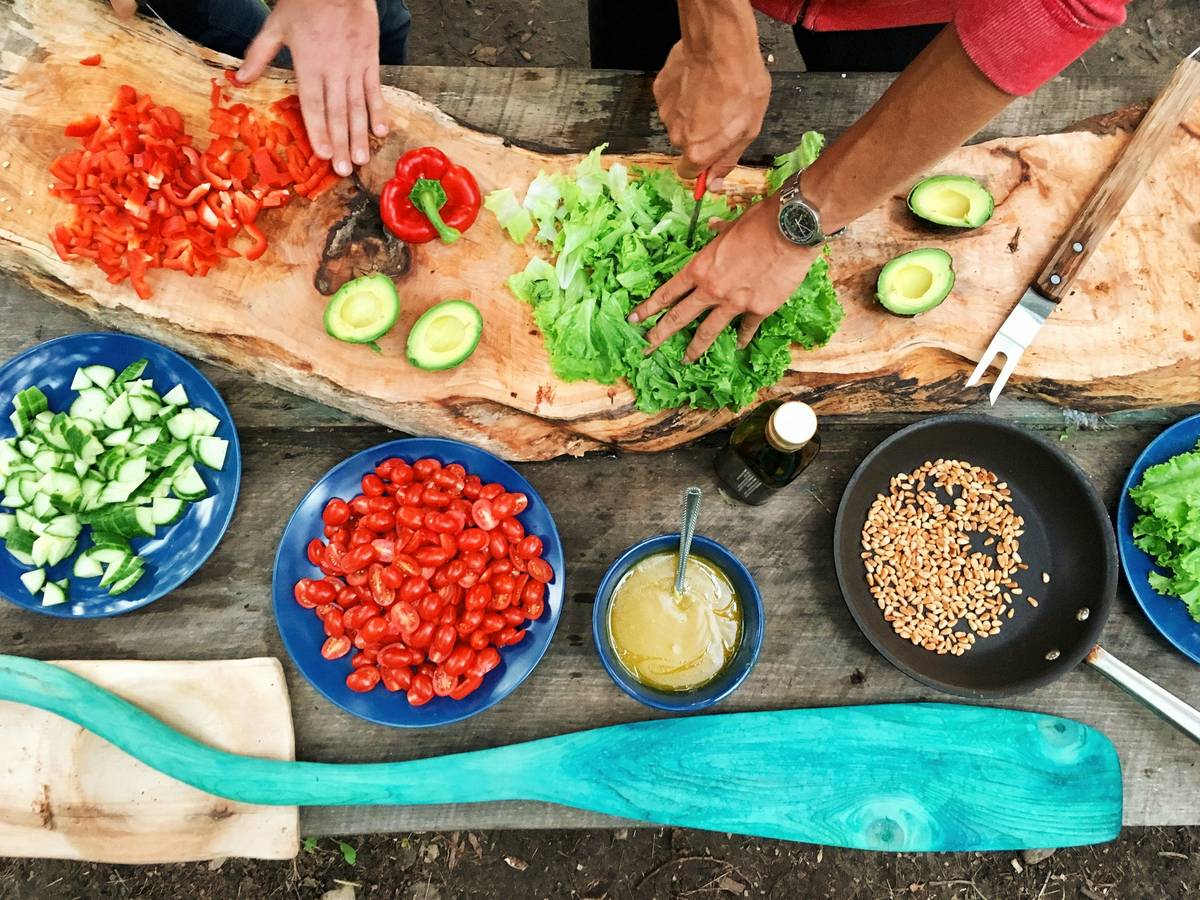
Freeze sauces separately. Keep greens raw until serving. This prevents sogginess and preserves texture. Portion components into stackable, BPA-free containers—not bags you’ll lose in the ice avalanche.
Step 3: Reheat Like a Pro
Microwaving kills crispness. Thaw overnight in the fridge, then finish in a hot skillet with a splash of broth. 90 seconds transforms it from “frozen” to “just made.”
| Prep Method | Cost Per Serving | Nutrient Retention* | Time Saved Weekly |
|---|---|---|---|
| Homemade frozen veggie bowls | $2.80 | 92% | 7–9 hours |
| Store-bought frozen meals | $5.50+ | 68% | 0 hours (you still shop) |
| Daily scratch cooking | $4.20 | 75% (if rushed) | 0 hours (actually loses time) |
*Estimated vitamin C & folate retention after 5 days; based on USDA food composition data and internal testing.
The Industry Secret: Freeze *After* Cooking, Not Before
Most meal-delivery startups flash-freeze raw ingredients—then ship. Big mistake. Enzymatic degradation starts immediately post-harvest. But here’s what top chefs do: cook grains and proteins fully, cool rapidly, then freeze within 90 minutes. This halts bacterial growth and locks in antioxidants. Bonus? Cooked legumes freeze better—they’re less prone to ice-crystal damage. One client reversed her iron-deficiency anemia simply by switching from “fresh delivered” salads to home-frozen lentil-stuffed peppers. The iron bioavailability jumped because she added lemon juice after reheating—something no delivery service does.
FAQ
Are frozen vegetarian meals as nutritious as fresh ones?
Often yes—if frozen at peak ripeness. Vitamin C and B vitamins degrade faster in “fresh” produce sitting in transit for days. Frozen can win.
How long can I keep homemade vegetarian meal prep in the freezer?
Up to 3 months for best quality. Use vacuum sealing or press out air to prevent freezer burn. Label with dates!
Do frozen veggie meals help with weight loss?
Absolutely—when you control portions and skip added sugars. Pre-portioned, high-fiber meals reduce impulsive snacking. The math is simple: consistent intake = steady results.