You spend Sunday chopping, simmering, and neatly boxing meals—only to dread Tuesday’s thawed-out mush by lunchtime. The promise of convenience vanishes when flavor flatlines and textures turn tragic. But what if your freezer could actually elevate your weekly eats? The right vegetarian meal prep frozen idea that balances nutrition, taste, and practicality isn’t just possible—it’s repeatable.
Why Most Frozen Vegetarian Meal Prep Fails
Most people treat the freezer like a time vault: cook once, forget forever. Big mistake. Vegetables—especially delicate greens or watery zucchini—collapse under ice crystals. Sauces separate. Grains get gummy. And reheating often amplifies blandness instead of fixing it.
The core issue? Treating frozen meals like leftovers instead of purpose-built freezer cuisine. You wouldn’t toss raw lettuce into a smoothie and expect magic. So why freeze stir-fries with high-moisture veggies and call it strategy?
Vegetarian Meal Prep Frozen Idea That Actually Works
Forget “cook and freeze.” Build for the freeze from the start. Here’s how:
Select Low-Moisture, High-Flavor Bases
Swap zucchini noodles for roasted cauliflower rice. Use lentils or black beans instead of tofu in soups—they hold structure better. And never freeze raw tomatoes; go for sun-dried or roasted instead.
Layer Smart, Not Full
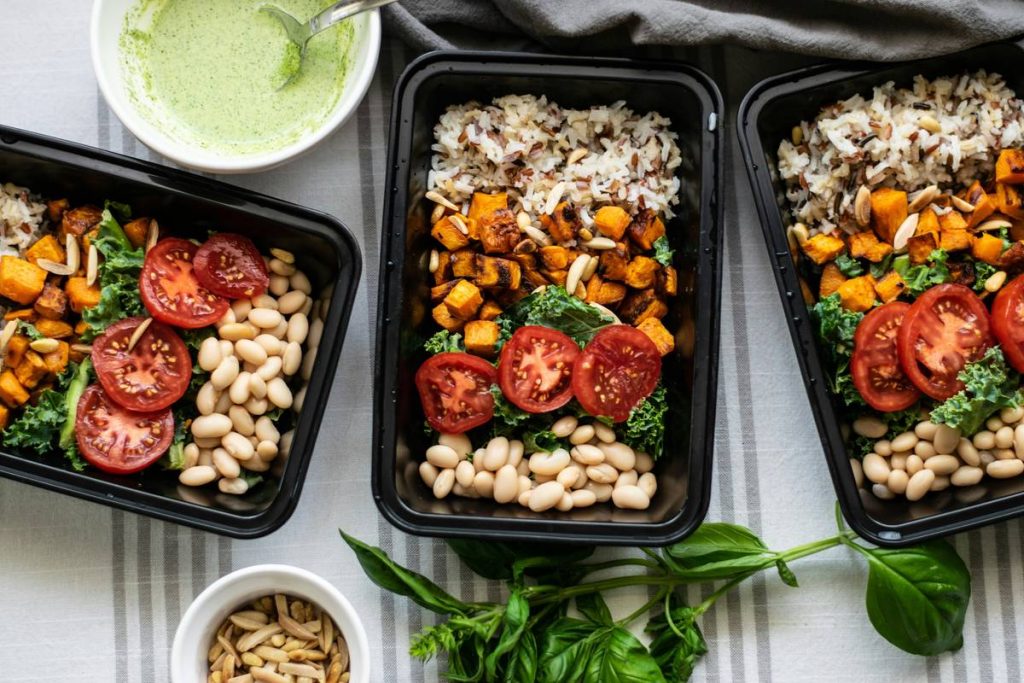
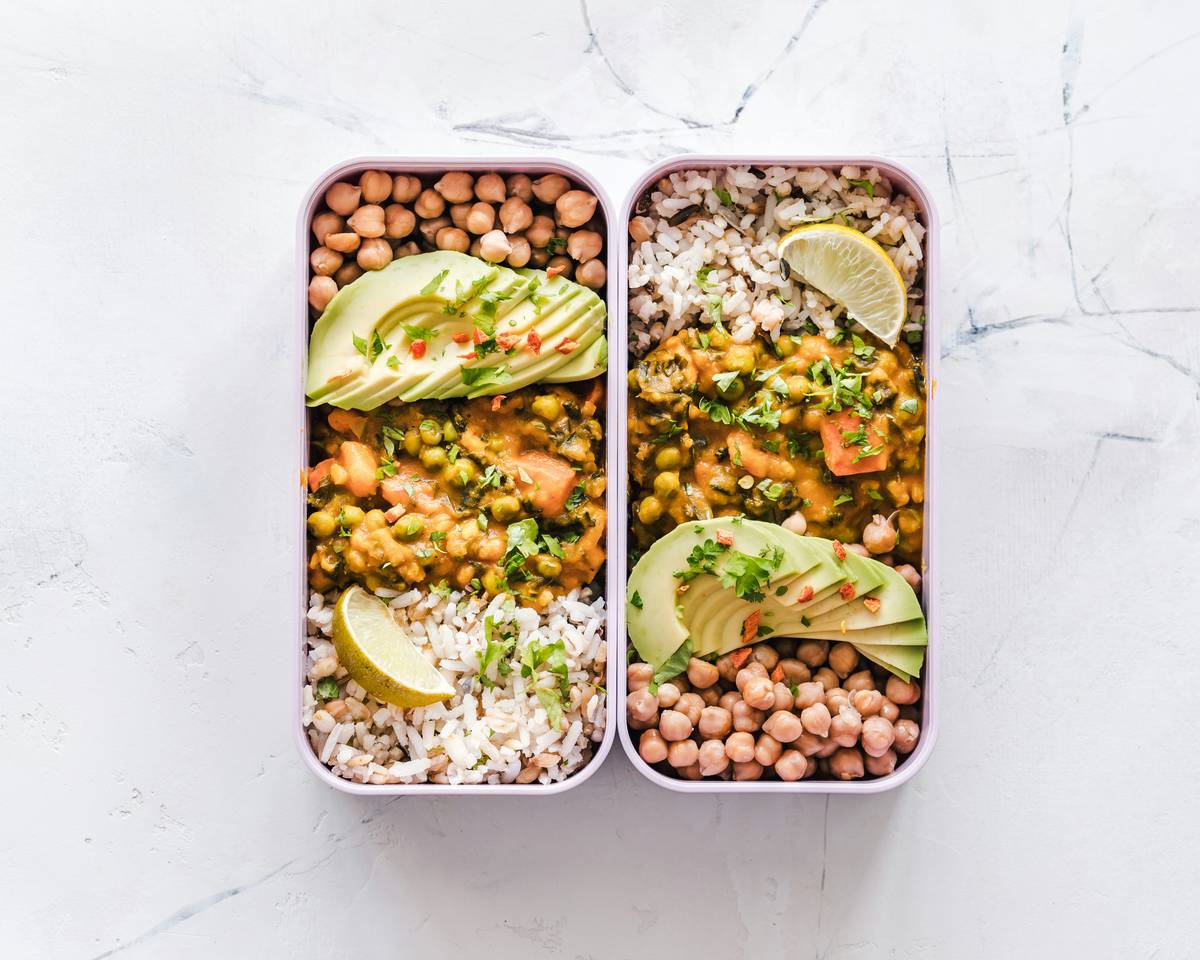
Freeze components separately when possible. Sauce in one bag, grains in another, proteins in a third. Combine only at reheat. This avoids sogginess and lets you customize portions midweek.
Season Twice—Once Before Freezing, Once After Reheating
Cold dulls flavor. Underseason slightly before freezing, then finish with fresh herbs, citrus zest, or a drizzle of chili oil post-thaw. Your palate won’t know it came from ice.
| Method | Time Investment | Flavor Retention | Weekly Cost (2-person) |
|---|---|---|---|
| Full-Meal Freeze (traditional) | 2.5 hours | Poor | $48 |
| Component-Based Freeze (recommended) | 2 hours | Excellent | $42 |
| Pre-Made Delivery Kits | 15 minutes | Moderate | $78 |
The Industry Secret: Freeze Dry Herbs—Don’t Skip Them
Here’s what meal kit companies won’t tell you: fresh herbs are the #1 reason home-frozen meals taste “off.” Instead of omitting them, freeze-dry your own basil, cilantro, or dill. Toss leaves in a single layer on a tray, freeze overnight, then blend into flakes. They rehydrate instantly in hot dishes and retain up to 90% of volatile oils—unlike dried grocery-store versions. It costs pennies and takes five minutes. Yet it transforms a flat dal into something vibrant. Try it once; you’ll never go back.
FAQ
Can you freeze vegetarian casseroles with cheese?
Yes—but shred cheese fresh and add after reheating. Pre-melted cheese freezes into rubbery clumps.
How long do vegetarian freezer meals last?
Properly sealed, most last 2–3 months. Beyond that, flavor degrades even if safe to eat.
What’s the best container for freezing meals?
Use rigid, stackable glass containers with vented lids—or lay-flat silicone bags to save space and prevent freezer burn.