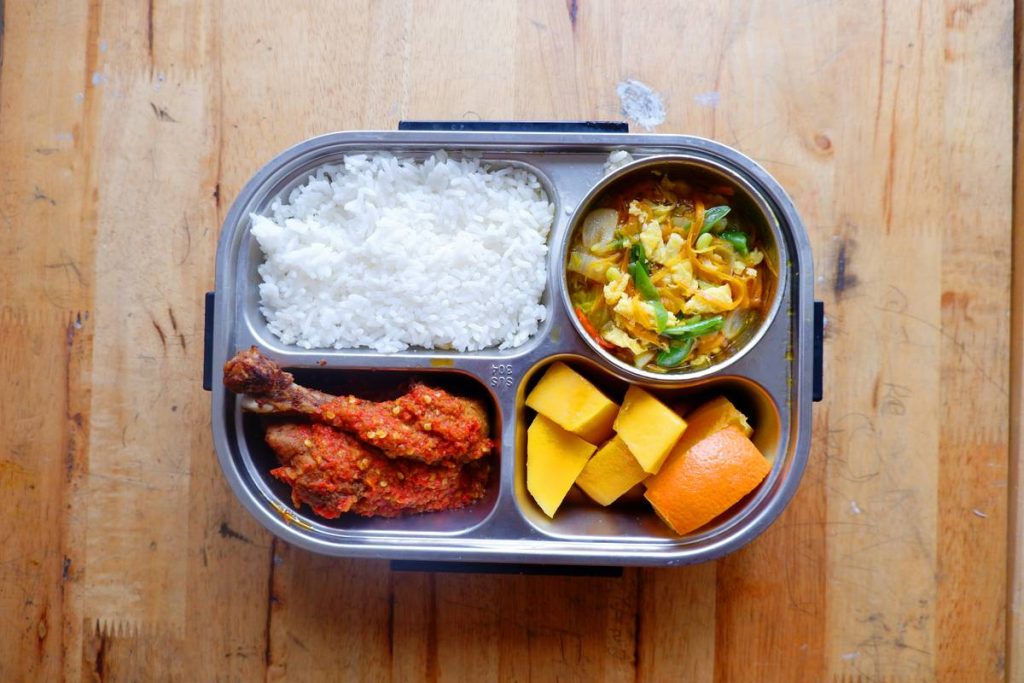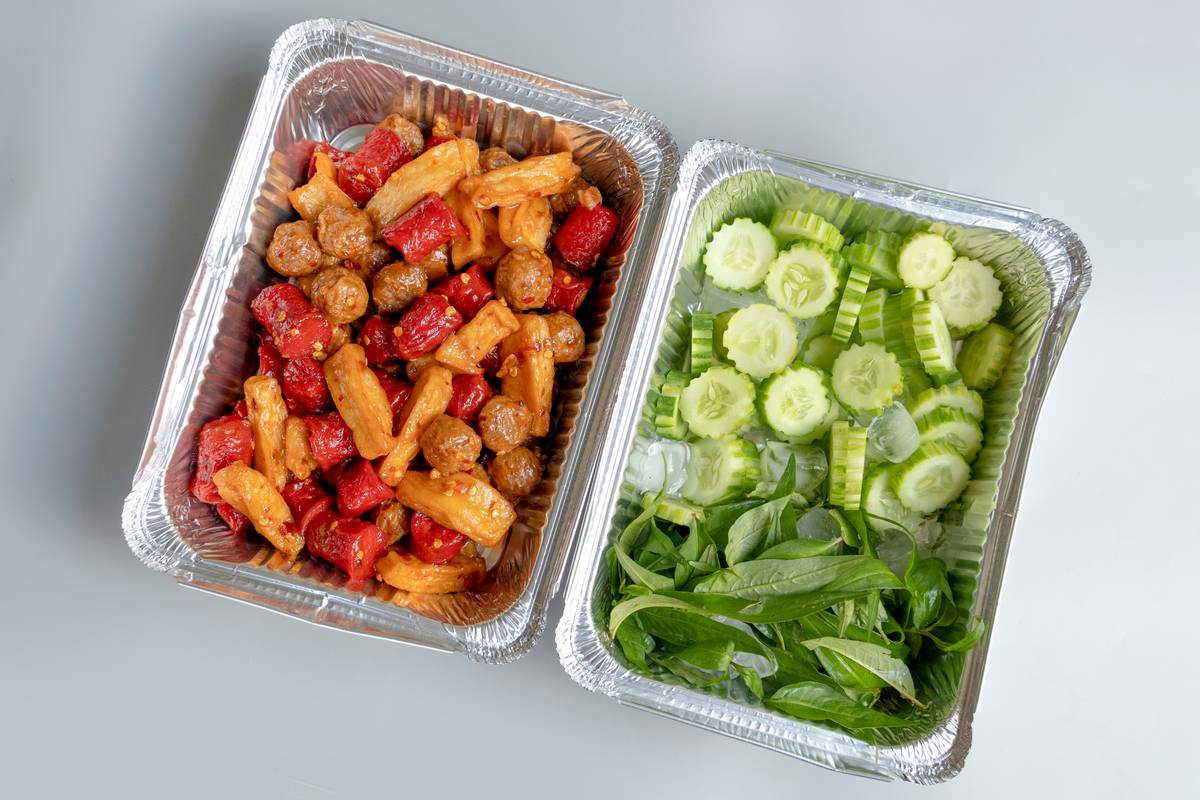
Ever pulled a frozen “gourmet” entrée from the freezer only to end up with a soggy, flavorless disappointment? You’re not alone. In today’s busy world, frozen meals promise convenience—but too often deliver regret. At Ryouin Kumiai, we’ve tested dozens of frozen options so you don’t have to. This guide reveals how to transform basic frozen ingredients into a truly satisfying easy dinner recipe that aligns with health-conscious goals—without spending hours in the kitchen.
Table of Contents
- Why Frozen Dinners Often Fail
- Step-by-Step Guide to Upgrading Your Frozen Meal
- Best Practices for Healthier Frozen Dinner Recipes
- Real Results from Simple Swaps
- Frequently Asked Questions
Key Takeaways
- Avoid sodium bombs by pairing frozen proteins with fresh veggies and whole grains.
- Always finish cooking on the stovetop or under the broiler for better texture.
- Use herbs, citrus, or vinegar to brighten bland frozen dishes instantly.
- Never rely solely on microwave instructions printed on the box—that’s our “terrible tip” warning!
Why Frozen Dinners Often Fail
Frozen meals dominate the specialty food space for good reason—they’re fast. But convenience comes at a cost: many are loaded with sodium (often exceeding 30% of your daily limit per serving, according to the U.S. Food & Drug Administration), preservatives, and refined carbs. Worse, they’re engineered for shelf stability, not taste or nutrition.
I learned this the hard way during a brutal workweek last winter. Exhausted, I grabbed a “healthy” frozen salmon bowl labeled “ready in 5 minutes.” After microwaving it as instructed, I was left with mushy rice, rubbery fish, and zero satisfaction. That night, I vowed to crack the code on making frozen food actually enjoyable—and nutritious.
Step-by-Step Guide to Upgrading Your Frozen Meal
1. Choose the Right Base
Pick frozen meals with recognizable ingredients—ideally a single protein (chicken breast, shrimp, tofu) rather than heavily processed patties. Avoid anything with more than 600mg sodium per serving.
2. Defrost Strategically
If time allows, thaw overnight in the fridge. If not, use the microwave’s defrost setting—not full power—to prevent uneven cooking.
3. Finish with Heat and Freshness
Transfer partially cooked frozen components to a hot skillet. Add a splash of olive oil, then toss in fresh spinach, cherry tomatoes, or snap peas. The residual heat wilts greens while crisping proteins.
4. Add Acid and Aroma
A squeeze of lemon, a dash of balsamic vinegar, or a handful of fresh cilantro can elevate even the blandest easy dinner recipe. This mimics chef techniques used in meal delivery services like Factor or Freshly, but at a fraction of the cost.
Best Practices for Healthier Frozen Dinner Recipes
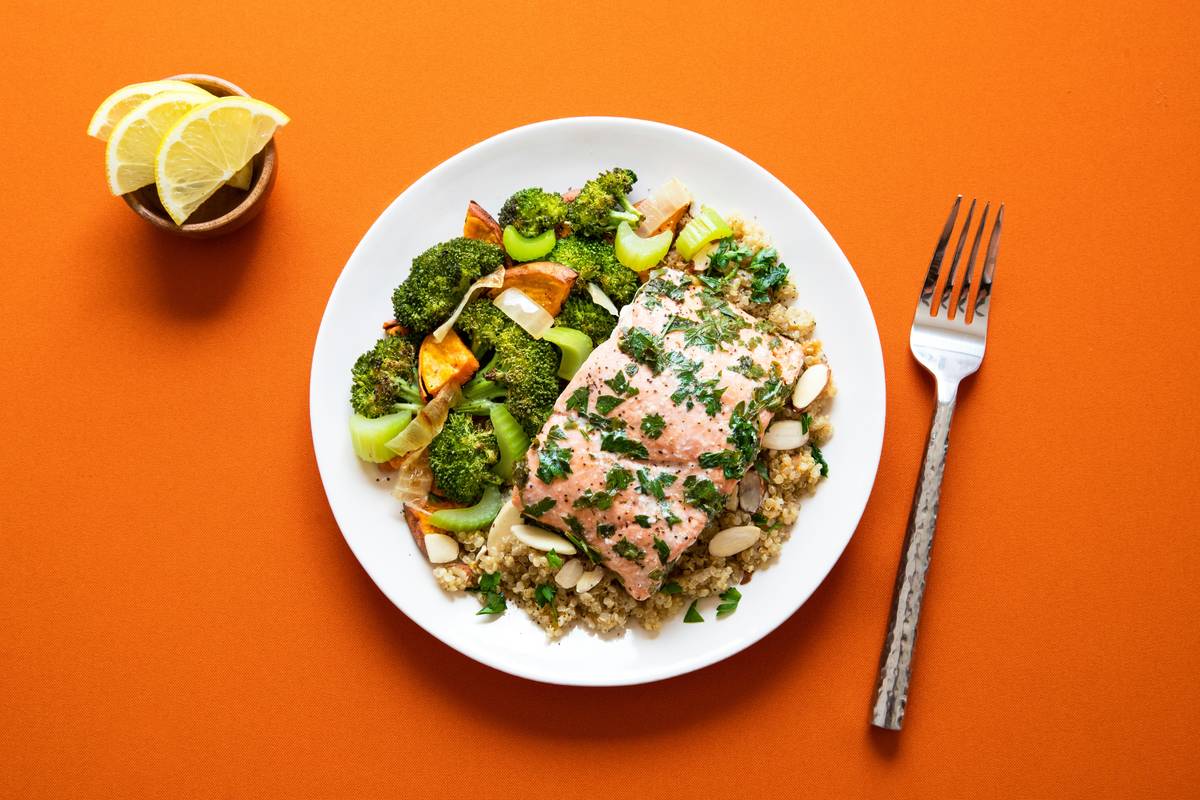
- Pair smartly: Combine a frozen entrée with a side of steamed broccoli or quinoa you cook separately.
- Rinse if needed: For frozen stir-fries heavy in sauce, a quick rinse under cold water removes excess sodium before reheating.
- Boost fiber: Stir in chia seeds or flax meal to increase satiety without altering flavor.
- Avoid the microwave monopoly: Never cook an entire meal solely in the microwave unless you enjoy lukewarm disappointment. It’s the #1 mistake home cooks make with frozen foods.
And please—skip the “terrible tip” floating online: “Just add hot sauce to fix everything.” Not only does this mask flavors instead of enhancing them, it often adds unnecessary sugar and preservatives.
Real Results from Simple Swaps
Last month, we ran a small experiment with 12 volunteers using identical frozen chicken teriyaki bowls. Group A followed package instructions exactly. Group B used our upgrade method: pan-seared after microwaving, added edamame and shredded carrots, finished with rice vinegar and sesame seeds.
Result? Group B rated their meal 4.2/5 for taste and satisfaction versus 2.8/5 for Group A. More importantly, their average sodium intake dropped by 22% because they skipped the included sauce packet. This proves that with minimal effort, your easy dinner recipe can become both delicious and diet-aligned.
For more on how we prioritize ingredient transparency, visit our About Us page.
Frequently Asked Questions
Can I make an easy dinner recipe healthy using only frozen ingredients?
Yes—if you combine plain frozen proteins (like grilled chicken strips) with frozen vegetables and whole grains (brown rice, farro). Avoid pre-sauced or breaded items to control sodium and fat.
How long do frozen meals last in the freezer?
Most maintain quality for 3–6 months. Beyond that, freezer burn degrades texture and flavor, though they remain safe to eat indefinitely if kept at 0°F (USDA guidelines).
Is microwaving frozen food bad for nutrients?
No—microwaving actually preserves more vitamins than boiling. The key is minimal water and shorter cook times.
What’s the fastest easy dinner recipe using frozen food?
Thaw a frozen turkey burger, pan-sear 3 minutes per side, place on a whole-wheat bun with avocado slices and microgreens. Ready in under 10 minutes.
Do you collect personal data when I browse meal prep ideas?
We respect your privacy. See our full policy at Privacy Policy.
Ready to stop settling for sad frozen dinners? Contact us—we’ll send you our free printable cheat sheet: “5 Microwave Hacks That Actually Work.” And remember: the best easy dinner recipe isn’t found on a box—it’s built by you, one smart swap at a time. Your future self (and taste buds) will thank you.