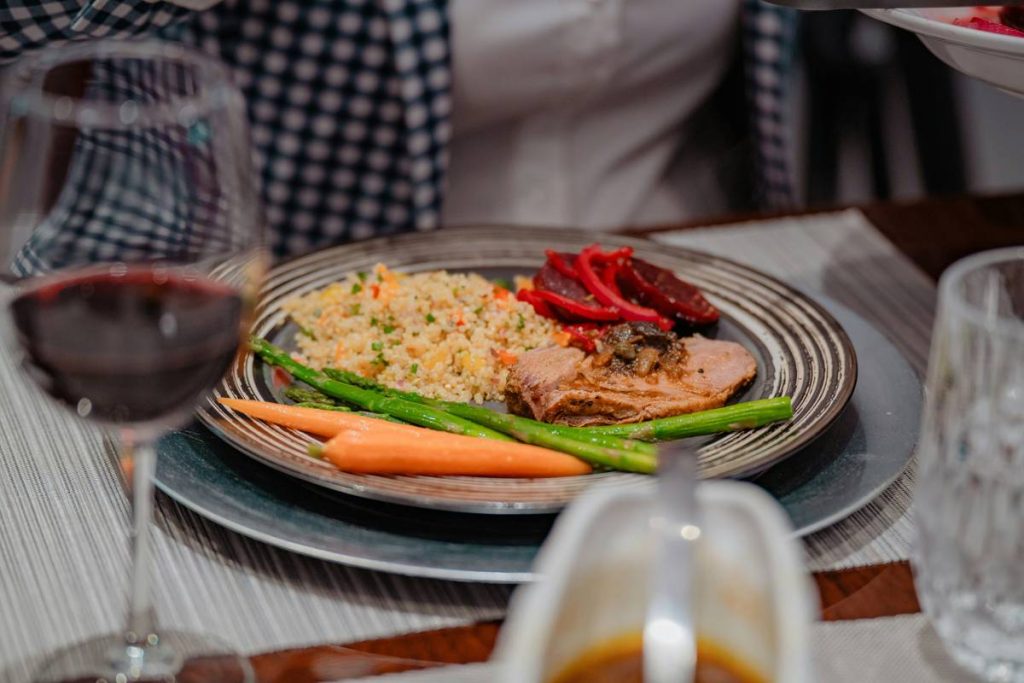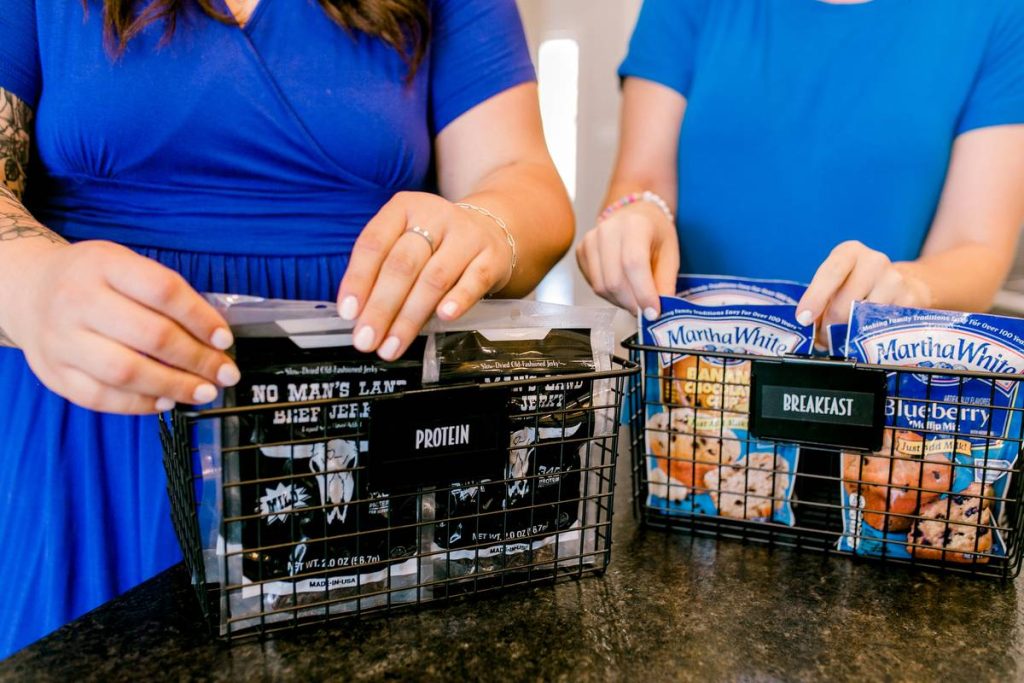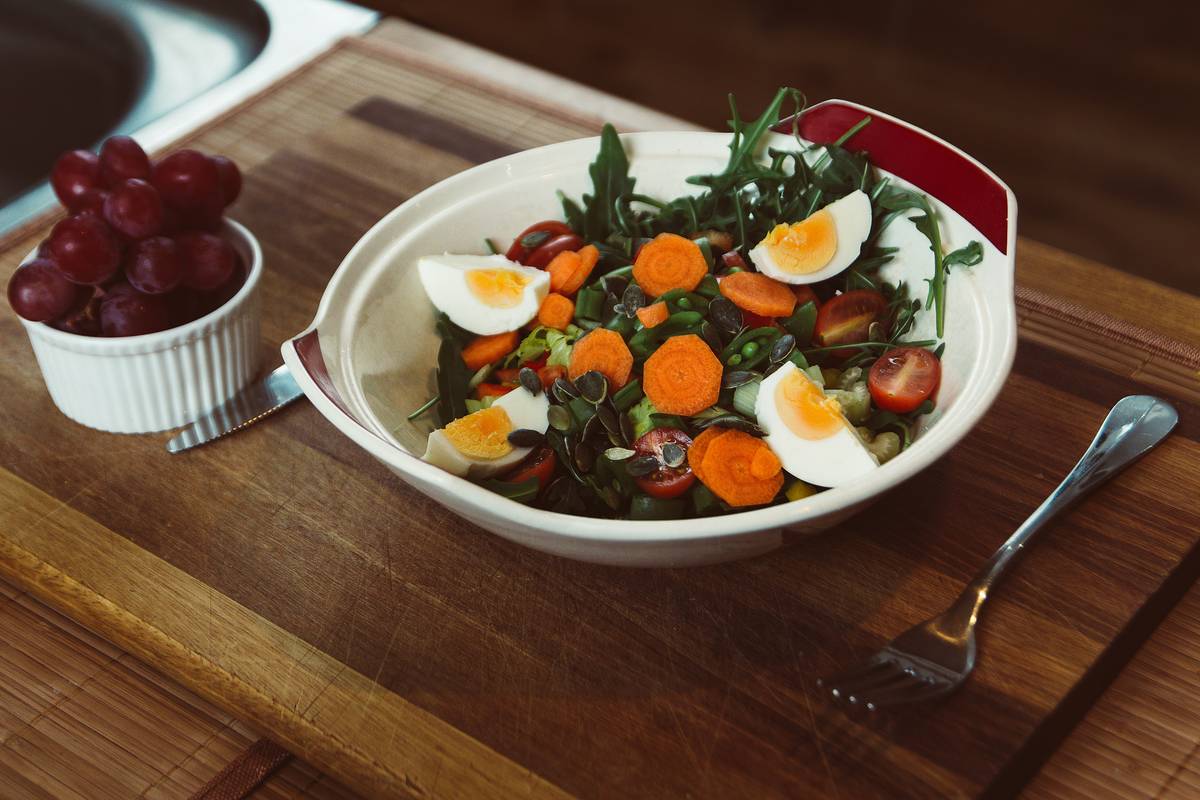
You’re busy. You care about nutrition. But cooking every night? Exhausting. And takeout? Costly—both for your wallet and your waistline. That’s where healthy individual frozen meals come in. Not the sodium-laden, mushy stuff from 2005. We’re talking chef-crafted, portion-controlled, nutrient-dense meals that actually taste like real food.
Why “Just Thaw and Eat” Usually Fails
Most people assume frozen = processed = unhealthy. And historically? They weren’t wrong. The freezer aisle was a graveyard of trans fats and mystery meats. Even today, many meal delivery brands slap “healthy” on packaging while packing 800mg+ of sodium per serving. Worse—they ship bulk trays you’ll never finish, creating food waste and guilt.
But here’s what no one tells you: freezing, when done right, locks in nutrients better than your fridge ever could. The real failure isn’t the format—it’s the execution.
How to Choose & Use healthy individual frozen meals Like a Pro
Forget scrolling endlessly online. Follow this framework—and you’ll skip the duds and land on meals that fuel performance, not fatigue.
Portion Precision Matters More Than Calories
A 400-calorie meal with 10g protein won’t keep you full. Look for at least 25g protein and 8g+ fiber per serving. Macros trump marketing fluff.
Check the Ingredient List—Then Flip It Over
If sugar (or its aliases: cane syrup, maltodextrin, fruit juice concentrate) appears in the top five, walk away. Same for “natural flavors”—a loophole big enough to drive a factory through.
Freeze-Thaw Cycles Kill Quality
Meals shipped without dry ice or insulated liners thaw during transit. That ruins texture and invites bacterial growth. Always confirm cold-chain logistics before ordering.
| Factor | Budget Brand ($) | Premium Service ($$) | DIY Freezing ($) |
|---|---|---|---|
| Avg. Cost Per Meal | $6–$8 | $11–$14 | $4–$6 |
| Protein Quality | Processed isolates | Grass-fed, wild-caught | Depends on your grocery choices |
| Time Required | 2 min (microwave) | 3–5 min (oven/stovetop) | 2–3 hrs upfront + cleanup |
| Waste Generated | Plastic trays, film | Recyclable/compostable packaging | BPA-free containers (reusable) |

The Industry Secret: Flash-Freezing Beats Fresh (Sometimes)
Here’s the truth most wellness influencers won’t admit: produce shipped “fresh” to your supermarket is often 7–10 days old. Nutrient degradation starts at harvest. But vegetables flash-frozen within hours of picking? They retain more vitamin C, folate, and antioxidants than “fresh” spinach wilting in your crisper.
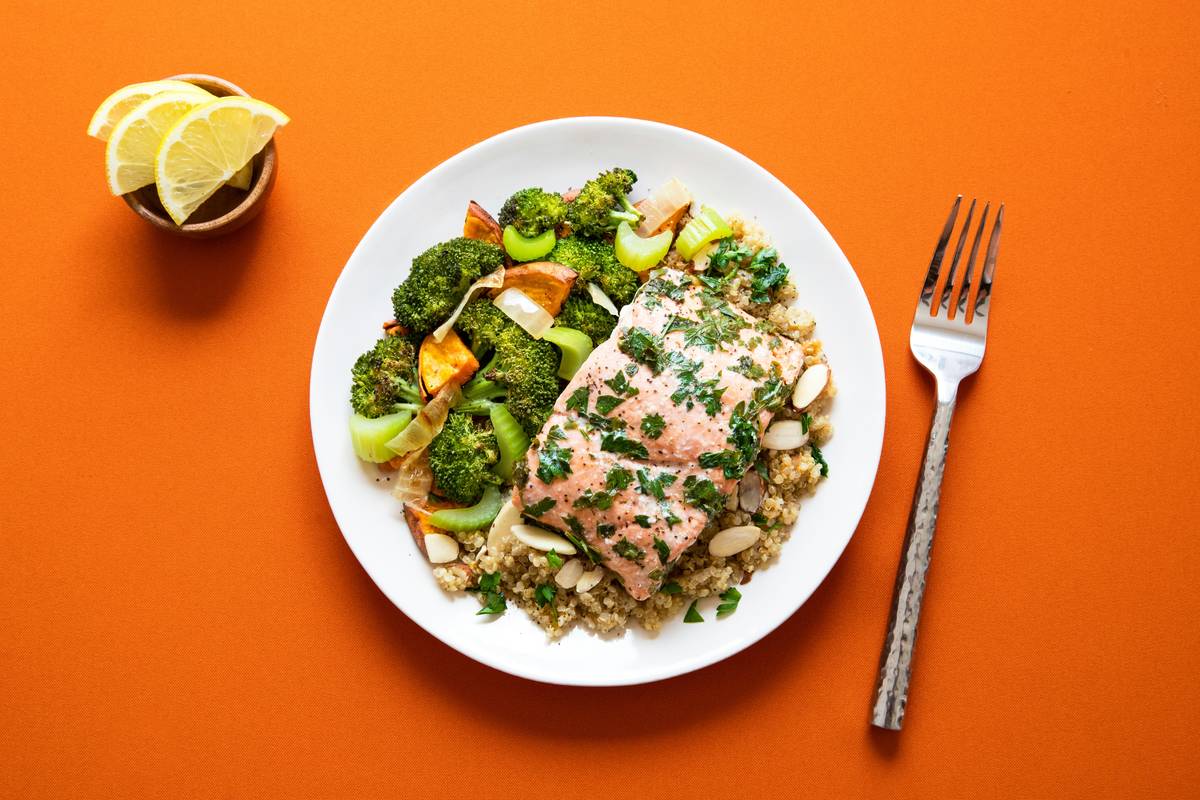
And it gets better. Reputable frozen meal companies partner with farms using regenerative practices—something rare in mass-market produce. So your $13 salmon bowl might actually support soil health more than that $5 sad salad kit.
FAQ
Are healthy individual frozen meals really nutritious?
Yes—if they use whole-food ingredients and avoid excess sodium or added sugars. Flash-freezing preserves nutrients better than prolonged refrigeration.
Can I lose weight eating frozen meals?
Absolutely. Portion-controlled, high-protein frozen meals reduce decision fatigue and prevent overeating—key drivers of sustainable weight loss.
How long do these meals last in the freezer?
Most stay optimal for 2–3 months. Beyond that, quality declines—but they remain safe if kept consistently below 0°F (-18°C).