You’re exhausted. The fridge is half-empty. Takeout menus loom like overdue bills. You *want* to eat clean, plant-based meals—but cooking after work feels impossible. And those store-bought frozen veggie bowls? Bland mush that costs more than a coffee run. Here’s the fix: vegetarian meal prep frozen that can actually taste fresh, stay nutritious, and slash your dinner stress from 30 minutes to 5.
Why Most Frozen Vegetarian Meals Fail Miserably
Freezing isn’t magic—it’s chemistry. Toss cooked lentils or roasted zucchini into a container willy-nilly, and you’ll pull out a soggy, flavorless brick three weeks later. Big brands cut corners: overcooking veggies before freezing kills texture, and sauce separation turns curries into oil slicks.
Worse? Portion control vanishes. One “meal” becomes two sad servings because nobody accounted for ice crystal expansion or starch retrogradation. You end up hungry—or eating junk anyway.
Vegetarian Meal Prep Frozen That Can Work—If You Follow These Rules
The secret isn’t avoiding frozen food. It’s freezing intelligently. Stack components separately. Freeze sauces flat in zip-top bags. Blanch greens just until vibrant—not dead.
Build Bowls, Not Bakes
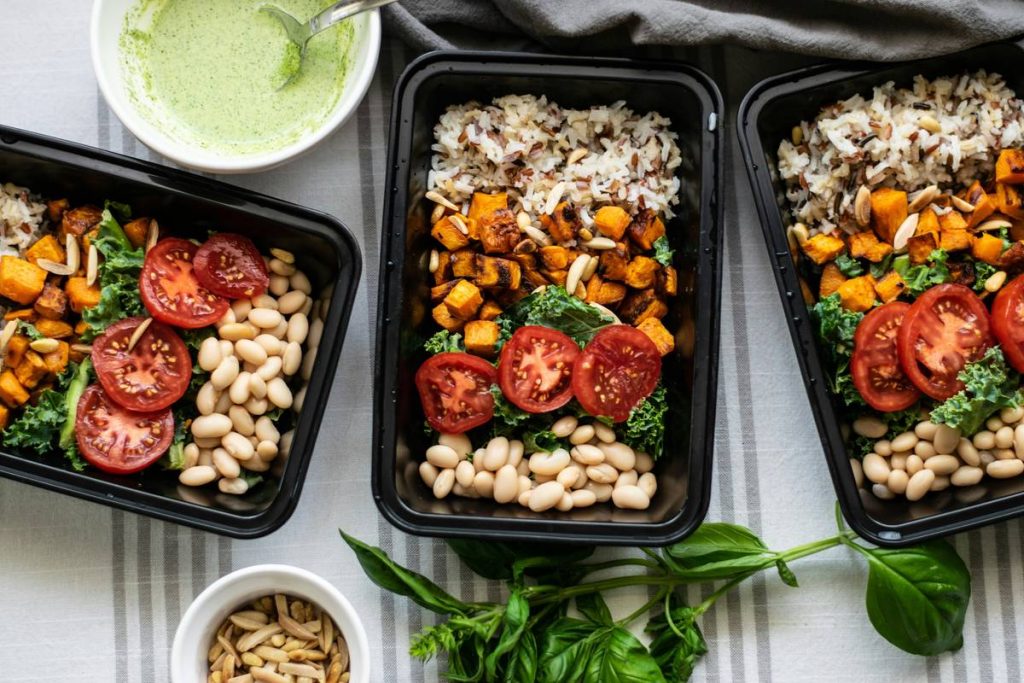
Avoid one-pot casseroles. Instead, freeze bases (quinoa, brown rice), proteins (marinated tofu cubes, spiced chickpeas), and veggie medleys independently. Reheat and assemble fresh. Texture stays crisp; flavors don’t bleed.
Master the Sauce Separation Hack
Creamy sauces (cashew alfredo, tahini dressing) freeze beautifully—but only if you under-blend them slightly. Add reserved liquid (water, broth, lemon juice) *after* thawing to revive emulsion. Tomato-based sauces? Freeze with a splash of acid (vinegar or citrus) to prevent dullness.
Schedule Smart Thawing
Don’t rely on microwave heroics. Transfer meals to the fridge 24 hours ahead. For emergency defrosting, submerge sealed bags in cold water—never hot. Hot water steams veggies from the outside in, creating uneven mush.
| Freezing Method | Best For | Shelf Life | Flavor Retention |
|---|---|---|---|
| Vacuum-sealed dry components (grains, legumes) | Rice bowls, grain salads | 3 months | ★★★★☆ |
| Sauce frozen flat in zip bags | Curries, pasta sauces, dressings | 2 months | ★★★★★ |
| Pre-portioned roasted veggies (with oil coating) | Stir-fries, sheet-pan reheat | 6 weeks | ★★★☆☆ |
| Blanched leafy greens (spinach, kale) | Smoothies, quick sautés | 4 weeks | ★★☆☆☆ |
The Industry Secret Big Brands Won’t Tell You
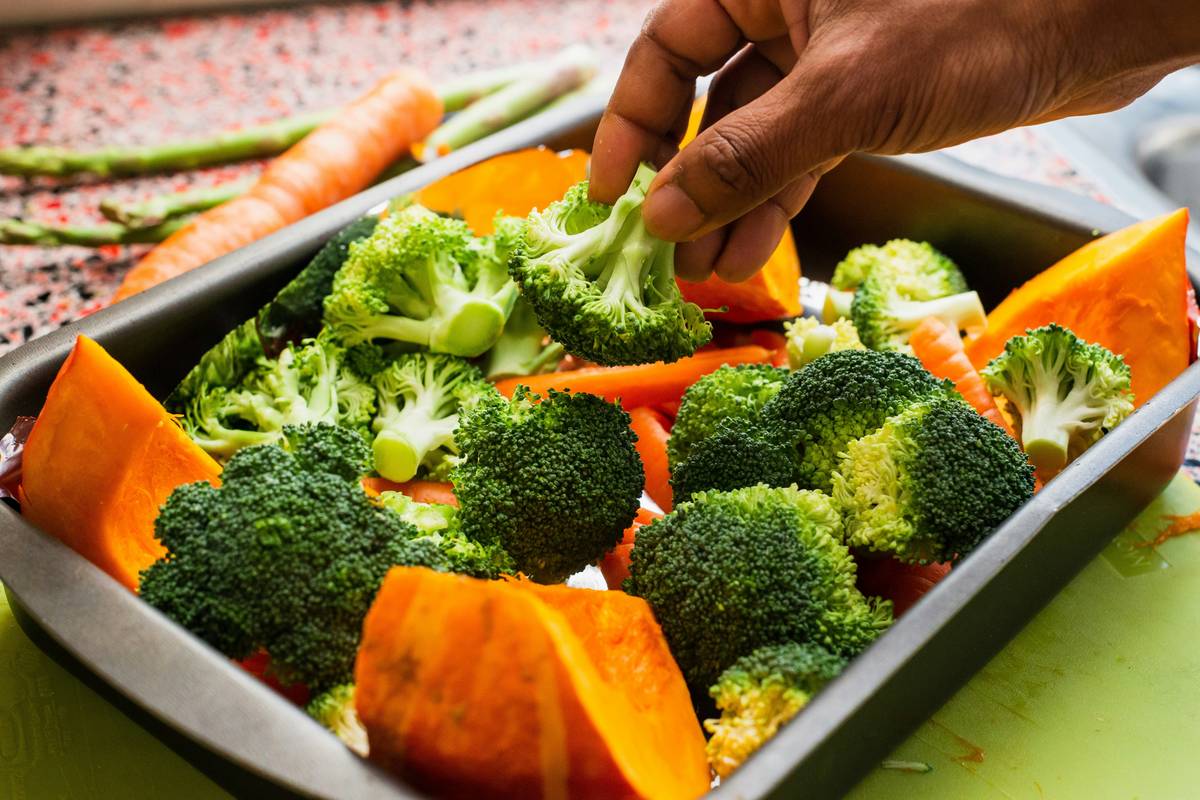
Here’s what frozen food engineers know—and consumers don’t: freeze raw, not cooked. Seriously. Pre-chop hearty veggies like broccoli, carrots, or bell peppers. Toss with spices and a whisper of oil. Flash-freeze on trays, then bag. When you’re ready to eat, roast or air-fry straight from frozen. You get caramelization, crunch, and zero sogginess.
Think about it: cooking *after* freezing locks in volatile aromatics lost during initial heating. A roasted red pepper frozen raw tastes like summer. Roasted first? Like wet cardboard.
Frequently Asked Questions
Can you freeze vegetarian chili?
Yes—but skip the beans or undercook them. Fully cooked beans turn mealy. Better: freeze chili base (tomatoes, spices, onions) and add freshly cooked beans when reheating.
How long do vegetarian freezer meals last?
Most hold quality 2–3 months. Beyond that, flavor fades and freezer burn creeps in—even if safe to eat. Label everything with dates.
Do frozen vegetables lose nutrients?
Surprisingly, no. Flash-frozen veggies often retain more vitamins than “fresh” produce shipped weeks old. Nutrient loss happens during cooking—not freezing.