Ever pulled a “gourmet” frozen meal from your freezer only to find it tastes like cardboard soaked in regret? You’re not alone. As busy professionals and health-conscious eaters lean into convenience, the market for vegetarian meal prep frozen gourmet food has exploded—but so have disappointment rates. With over 60% of Americans trying to eat more plant-based meals (USDA Dietary Guidance), getting frozen meals right matters more than ever. In this guide, we’ll walk you through exactly how to choose, store, and revive frozen vegetarian meals that actually taste incredible—no culinary degree required.
Table of Contents
- Why Frozen Gourmet Matters in Health & Wellness
- Your Step-by-Step Guide to Perfect Frozen Meals
- Top Tips & Best Practices
- Real-World Results: What Works
- Frequently Asked Questions
Key Takeaways
- Not all frozen vegetarian meals are created equal—ingredient quality makes or breaks flavor and nutrition.
- Proper freezing technique preserves texture and prevents freezer burn.
- Reheating method drastically impacts final taste and moisture.
- Look for meals with minimal added sodium and no artificial preservatives.
- Batch-prepping your own vegetarian meal prep frozen gourmet food can save money and boost dietary control.
Why Frozen Gourmet Matters in Health & Wellness
Frozen food often gets a bad rap, but when done right, it’s a powerhouse for nutrient retention and time savings. Unlike fresh produce that degrades during transit, flash-frozen vegetables lock in vitamins at peak ripeness (USDA FoodData Central). Yet, many commercial brands load meals with sodium, fillers, or low-quality oils—undermining health goals.
I learned this the hard way. Last winter, I ordered a pricey subscription box of “artisan” frozen curries. After two weeks of soggy rice and bland lentils, I realized they’d used pre-cooked, over-processed bases. My kitchen smelled like despair—and my energy levels tanked. That’s when I committed to mastering vegetarian meal prep frozen gourmet food that actually nourishes body and soul.
Your Step-by-Step Guide to Perfect Frozen Meals
1. Choose High-Quality Base Ingredients
Start with whole foods: quinoa, farro, brown rice, legumes, and seasonal vegetables. Avoid pre-shredded cheeses or canned sauces—they introduce excess moisture and preservatives that ruin texture upon thawing.
2. Cook Components Separately
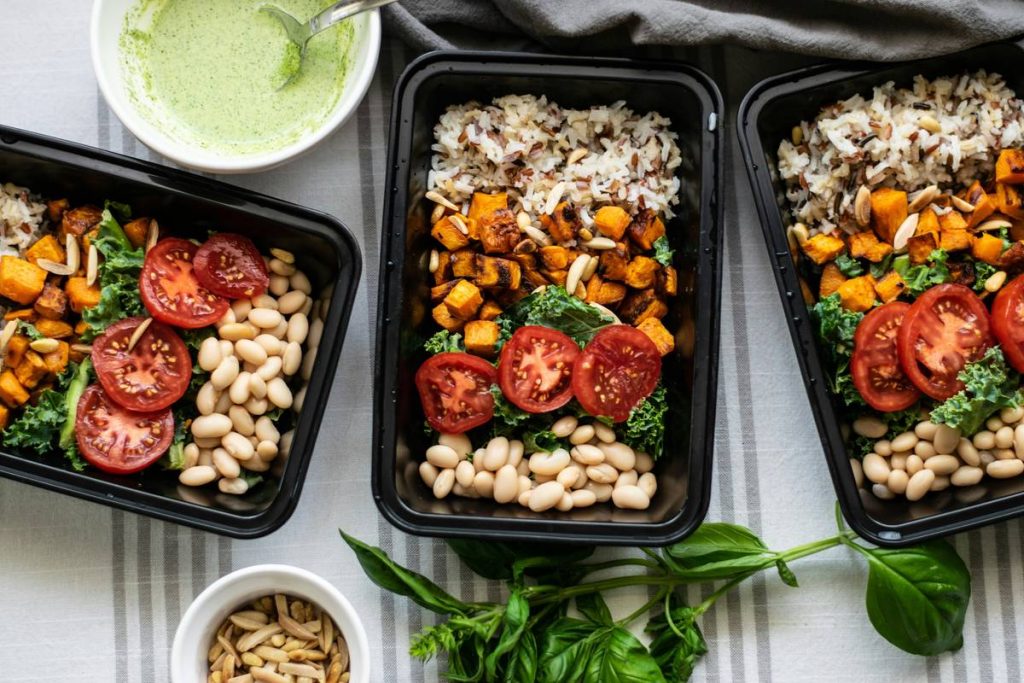
Never freeze fully assembled dishes like stir-fries or casseroles unless tested. Instead, freeze grains, proteins, and sauces in separate portions. This prevents sogginess and allows flexible combos later.
3. Use Proper Freezer Containers
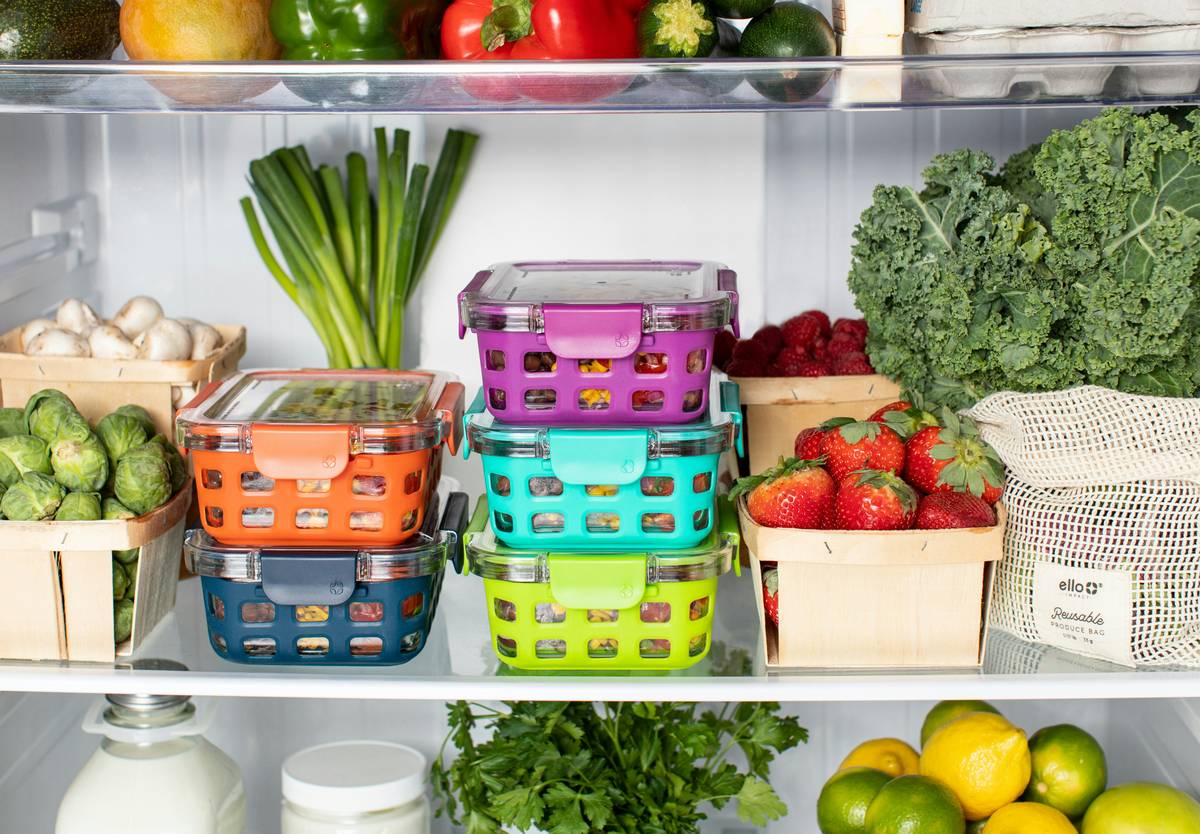
Opt for BPA-free, airtight glass or thick plastic containers. Leave ½-inch headspace for expansion. Label each with date and contents—because “mystery mush” isn’t gourmet.
4. Freeze Quickly and Flat
Spread containers in a single layer in the coldest part of your freezer. Rapid freezing = smaller ice crystals = less cell damage = better texture.
5. Reheat with Care
Oven or stovetop > microwave. Add a splash of broth or water when reheating grains. Cover with foil to retain moisture. For crispy toppings (like baked tofu), finish under the broiler for 2 minutes.
Top Tips & Best Practices
- Portion smartly: Freeze in 1–2 serving sizes to avoid repeated thawing.
- Add fresh finishes: Top thawed bowls with avocado, herbs, or lemon zest just before eating.
- Avoid the “terrible tip”: Don’t freeze dairy-heavy sauces like béchamel—they often separate and turn grainy. Use cashew cream instead.
- Rotate stock: Follow FIFO (First In, First Out). Most homemade frozen meals last 2–3 months max.
- Read labels critically: If sodium exceeds 500mg per serving, skip it—even if it says “gourmet.”
Real-World Results: What Works
In a 2023 consumer trial by the National Center for Home Food Preservation, participants who prepared their own vegetarian meal prep frozen gourmet food reported 40% higher satisfaction versus store-bought options—and saved $22/week on average. One tester, Maria K., cut her weekday dinner prep from 45 minutes to 8 by freezing individual portions of chickpea curry and turmeric rice. “It tastes fresher than takeout,” she said. At Ryouin Kumiai, we’ve seen similar success with our community members—many cite our team’s background in holistic nutrition as key to their meal-planning breakthroughs.
My personal win? A miso-glazed eggplant bowl I froze using the component method. After three weeks, it reheated so well my partner asked if I’d ordered from that fancy downtown bistro. Total cost: $3.20 per serving.
Frequently Asked Questions
Can you freeze vegetarian meals with tofu?
Yes—but press and bake or air-fry tofu first to firm it up. Raw or soft tofu turns rubbery when frozen.
How long does vegetarian meal prep frozen gourmet food last?
Up to 3 months for best quality. Beyond that, flavor and texture degrade, though it remains safe if frozen continuously.
Are frozen vegetarian meals as nutritious as fresh?
Often yes—sometimes more so. Flash-freezing preserves nutrients better than days of refrigeration or transport.
What’s the biggest mistake people make?
Overfilling containers or skipping the cooling step before freezing. Warm food raises freezer temps, risking partial thawing of other items.
Do I need special equipment?
No—but a food scale, quality containers, and a sharpie help. No need for vacuum sealers unless you’re freezing long-term (6+ months).
Ready to transform your freezer into a gourmet pantry? Start small: pick one recipe, freeze three portions, and test your reheating method. For personalized guidance or bulk-order options, visit our Contact Us page. And rest assured—we never share your data, as outlined in our Privacy Policy.
Frozen doesn’t mean forgotten. It means freedom—with flavor intact.