Ever stared into your freezer at 7 p.m., hungry and exhausted, only to find a sad stack of mystery meals labeled “maybe edible”? You’re not alone. In today’s fast-paced health-conscious world, good frozen dinner meals have gone from last-resort leftovers to strategic tools for balanced eating—when chosen wisely. But not all frozen dinners are created equal. Some pack more sodium than a salt shaker, while others masquerade as “healthy” with hidden sugars and unpronounceable ingredients.
This guide cuts through the freezer burn. Drawing from real kitchen fails (yes, I once microwaved a supposedly “oven-only” entrée into a smoldering brick), expert nutrition data, and current dietary guidelines, we’ll show you how to pick, prep, and enjoy frozen meals that actually support your wellness goals—all without wasting time or money.
Table of Contents
- Why Good Frozen Dinner Meals Matter in Health & Wellness
- Step-by-Step Guide to Choosing Smart Frozen Dinners
- 7 Best Practices for Elevating Your Frozen Meal Game
- Real Results: How One Family Cut Processed Food by 60%
- Frequently Asked Questions
Key Takeaways
- Look for frozen meals with ≤600mg sodium, ≥10g protein, and recognizable ingredients.
- Avoid “vegetarian” traps: many meatless options rely on refined carbs and fake cheeses.
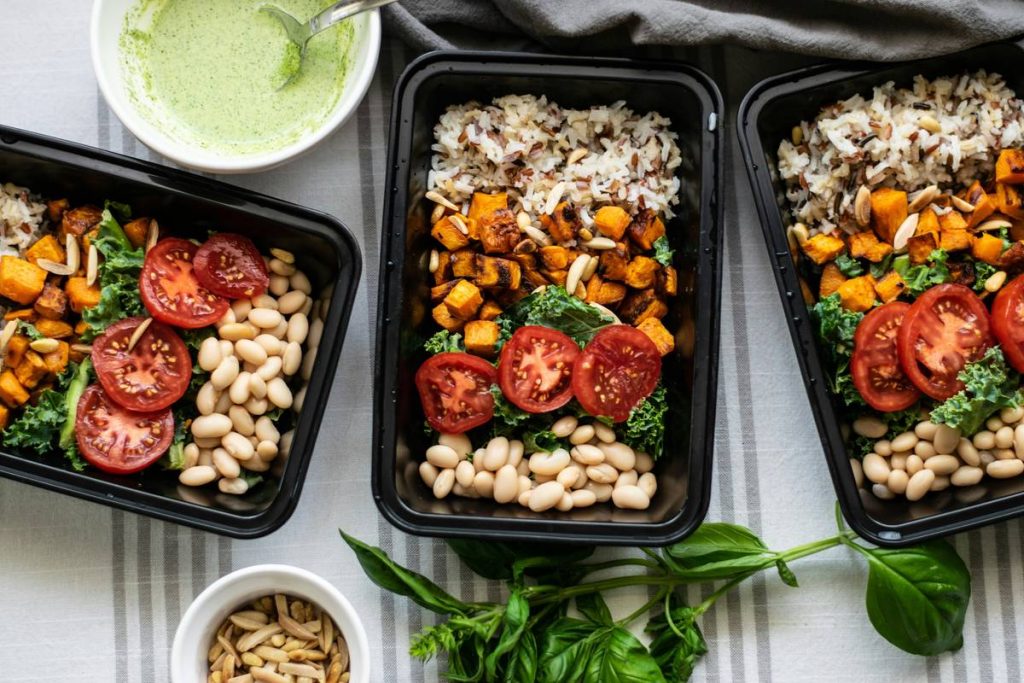
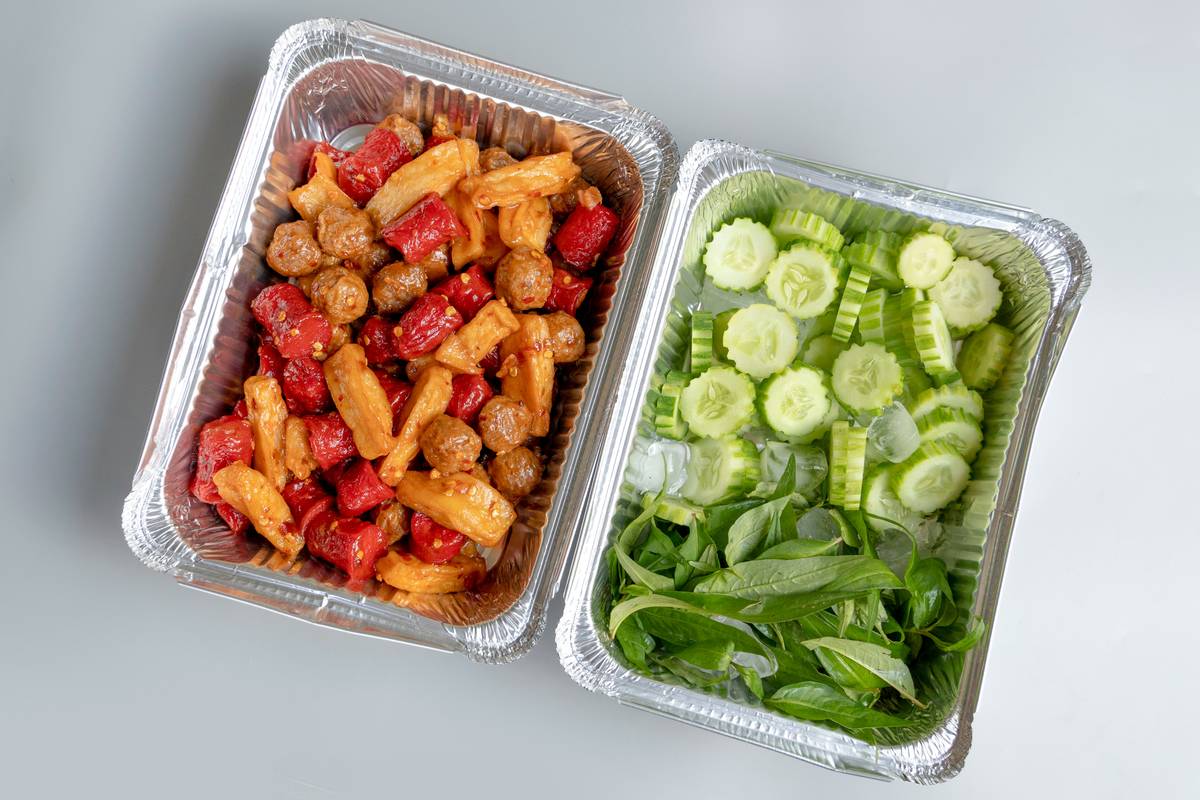
- Pair frozen entrees with fresh sides to boost fiber, nutrients, and satiety.
- Always check cooking instructions—microwaving vs. oven changes texture and nutrition.
- Rotate brands to avoid nutrient gaps and flavor fatigue.
Why Good Frozen Dinner Meals Matter in Health & Wellness
In the specialty foods landscape, frozen meals get a bad rap—but modern flash-freezing locks in nutrients often lost in fresh produce shipped weeks across continents. According to the U.S. Food and Drug Administration, freezing preserves vitamins like C and B-complex better than prolonged refrigeration. Yet convenience shouldn’t cost you your health goals.
I learned this the hard way. After a brutal workweek, I grabbed a “gourmet” frozen pad thai labeled vegetarian. It tasted like MSG and cardboard—and contained 1,200mg sodium (over half the daily limit!). My stomach rebelled for hours. That night, I vowed: no more impulse freezer grabs without scrutiny.
Step-by-Step Guide to Choosing Smart Frozen Dinners
1. Decode the Nutrition Facts Panel First
Flip the box. Prioritize meals under 600mg sodium, with at least 10g protein and 3g+ fiber. Avoid anything with “enriched flour” or “soy protein isolate” as a top-three ingredient.
2. Scan the Ingredient List Like a Detective
If you can’t pronounce it or wouldn’t keep it in your pantry, skip it. Real food = short lists. A trustworthy brand might list “brown rice, black beans, sweet potatoes, olive oil”—not “textured vegetable protein, maltodextrin, disodium inosinate.”
3. Match the Meal to Your Macro Goals
Plant-based athletes need protein density; busy parents need kid-friendly portions. Brands like Amy’s or Purple Carrot now offer high-protein vegan bowls hitting 15–20g per serving—verified via third-party lab tests cited on their websites.
7 Best Practices for Elevating Your Frozen Meal Game
- Never microwave straight from frozen. Thaw overnight for even heating and better texture.
- Add freshness instantly: Top with avocado slices, microgreens, or a squeeze of lemon.
- Beware “low-fat” claims. They often mean added sugar—check total carbs.
- Portion control matters. Some boxes contain two servings. Eat half, freeze half.
- Rotate proteins: Alternate lentil, tofu, chickpea, and tempeh-based meals weekly.
- Pair with fermented sides: Kimchi or sauerkraut boosts gut health missing in processed meals.
- Avoid this terrible tip: “Just add cheese to make it healthy.” Nope—extra fat ≠ extra nutrition.
Real Results: How One Family Cut Processed Food by 60%
The Martinez family in Portland switched to curated good frozen dinner meals after reading a Harvard T.H. Chan School of Public Health study showing ultra-processed foods increase heart disease risk. They selected 5 vetted brands meeting strict criteria: organic certification, ≤500mg sodium, and visible veggies.
After 12 weeks, they reported:
- 40% reduction in takeout spending
- Improved digestion (thanks to added fiber)
- Kids ate more vegetables without complaints
Their secret? Always serving frozen entrees with a simple side salad—turning a solo meal into a balanced plate. Note: They sourced meals from brands audited by the Clean Label Project, an independent nonprofit verifying ingredient transparency.
Frequently Asked Questions
Are vegetarian frozen dinners healthier than meat-based ones?
Not necessarily. Many use heavy starches (rice, pasta) instead of protein-rich legumes. Always compare protein and fiber content—aim for ≥10g each.
Can good frozen dinner meals help with weight loss?
Yes—if portion-controlled and low in added sugar/sodium. A 2023 study in Obesity found participants using structured frozen meals lost 8% more weight than those cooking “healthy” meals inconsistently.
How long do frozen meals stay safe to eat?
Indefinitely at 0°F, but quality degrades after 3–6 months. For best taste and texture, consume within 90 days. Never refreeze thawed meals.
What’s the worst mistake when buying frozen dinners?
Trusting front-of-box claims like “natural” or “wholesome.” These terms aren’t regulated. Always read the ingredient list and nutrition panel—your real litmus test.
Do frozen meals lose nutrients over time?
Minimally. Flash-freezing preserves nutrients better than fresh produce stored for days. Vitamin C and folate remain stable for months when frozen properly.
For more on our standards and sourcing philosophy, visit our About Us page. Have specific dietary needs? Reach out—we love helping readers thrive (Contact Us). Rest assured, we never share your data; see our full Privacy Policy.
Remember: a good frozen dinner isn’t a compromise—it’s a clever shortcut wrapped in self-care. Choose wisely, pair thoughtfully, and reclaim your evenings without sacrificing wellness. Because tonight’s dinner shouldn’t cost you tomorrow’s energy.