You’ve tried meal prepping. You’ve chopped, steamed, and stored—only to open your freezer a week later and find rubbery lentils or flavorless tofu bricks. The problem isn’t your effort. It’s that most guides ignore the brutal reality: not all vegetarian meals survive freezing. And when they do, they often lose texture, taste, or nutritional punch. Here’s the fix: a strategic system built around the right vegetarian meal prep frozen number of portions, ingredients, and freezing protocols that actually work.
Why Most Frozen Vegetarian Meal Prep Fails
Freezing amplifies flaws. A slightly overcooked chickpea becomes mush overnight. Sauces thin out. Greens wilt into sadness. Yet, countless blogs treat frozen vegetarian meals like magic Tupperware—toss it in, forget it, reheat heroically. That’s fantasy.
The truth? Freezer burn isn’t the main villain. Poor ingredient selection and portioning are. Freeze a stew with zucchini? Good luck salvaging structure. Portion 8 servings of dal when you’ll only eat 3 before boredom kicks in? Waste is guaranteed.
vegetarian meal prep frozen number of: Your Step-by-Step System
Forget “batch and blast.” Build for rotation, not accumulation. The goal: maximize variety while minimizing spoilage and monotony.
Choose Freezer-Stable Foundations
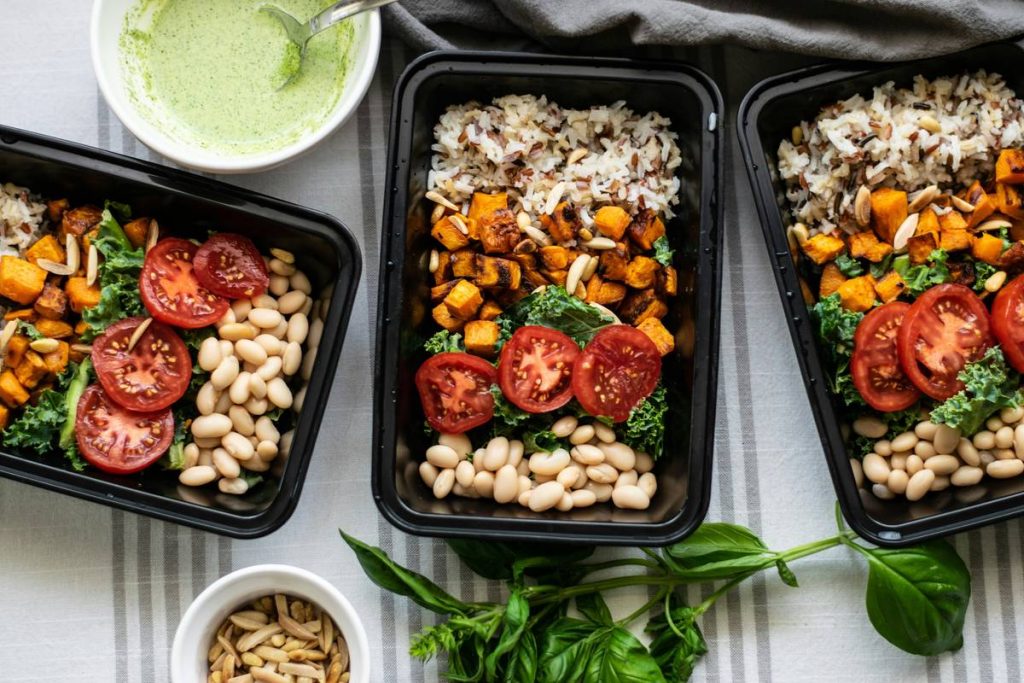
Prioritize legumes (black beans, lentils, chickpeas), grains (quinoa, farro, brown rice), and hearty vegetables (sweet potatoes, carrots, mushrooms). Avoid high-water veggies like cucumber or summer squash—they turn to sludge.
Right-Sizing Your Batches
Here’s where the vegetarian meal prep frozen number of matters most. Don’t default to 6 or 8 servings. Base batch size on your actual consumption rhythm.
| Eater Profile | Ideal Batch Size | Freezer Lifespan (Weeks) | Risk of Waste |
|---|---|---|---|
| Solo eater eating 3x/week | 3–4 portions | 3–4 | Low |
| Couple sharing meals | 4–6 portions | 4–5 | Medium |
| Family of 4+ | 8–10 portions | 5–6 | High (if not rotated) |
Layering for Flavor Longevity
Never freeze fully finished meals. Hold back fresh herbs, acidic elements (lemon juice, vinegar), and delicate greens. Add them post-reheat. This tiny tweak prevents flat, muddy flavors.
The Industry Secret: The 3-Batch Rule
Most meal-prep gurus won’t tell you this—but pros in commercial kitchens follow it religiously. Never freeze more than three distinct vegetarian dishes at once. Why? Variety decay.
By day 10, even your favorite curry starts tasting like obligation. But if you rotate just three core meals—say, red lentil dahl, black bean chili, and mushroom barley risotto—you maintain novelty without overwhelming your prep time or freezer space.
And here’s the kicker: label each container with not just the name, but the “flavor anchor”—like “smoky,” “creamy,” or “spicy tang.” That mental cue reduces decision fatigue and increases actual consumption.
FAQ
How many vegetarian meals should I freeze at once?
Aim for 3–6 portions max unless feeding a family. Match batch size to your weekly eating habits—not theoretical ideals.
Can I freeze vegetarian meals with dairy or cream?
Yes, but with caution. Coconut milk freezes better than dairy cream. If using yogurt or cheese, stir it in after reheating to avoid graininess.
What’s the max safe freezer time for vegetarian meal prep?
4–6 weeks for best quality. Beyond that, nutrients degrade and textures suffer—even if technically “safe” to eat.